
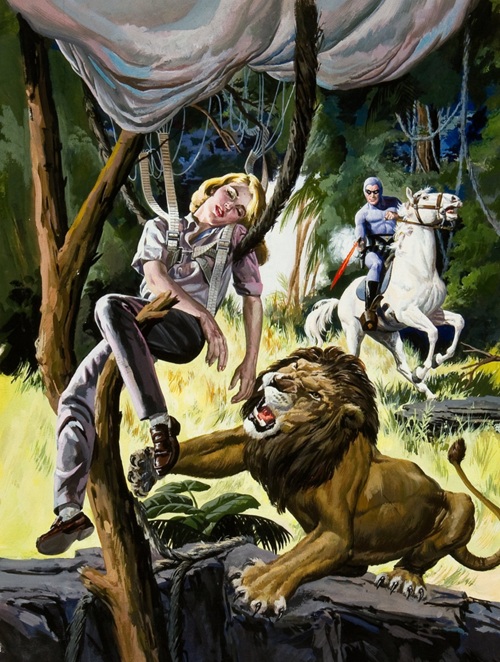
Since his debut in 1936, the Phantom has captured the imagination of millions worldwide, establishing himself as one of the most enduring figures in comic book history. Created by Lee Falk, the Phantom was the first masked superhero, predating iconic characters like Superman and Batman. While countless heroes have come and gone in the decades since, the Phantom has remained relevant, a testament to the character’s unique design, universal themes, and adaptability. His enduring appeal lies in the way he transcends time, blending tradition with innovation to create a legacy that resonates across generations and cultures.
One of the most compelling aspects of the Phantom is his concept. Unlike many superheroes, the Phantom is not a singular individual but a legacy passed down through generations. Known as “The Ghost Who Walks”, he is perceived by his enemies as immortal—a figure who cannot be defeated or destroyed. In reality, the role of the Phantom is inherited, with each successive generation of the Walker family taking up the mantle to protect the innocent and fight injustice. This concept of generational heroism is both unique and powerful, allowing The Phantom to evolve while maintaining his core identity.
The idea of an inherited legacy gives the Phantom a timeless quality. Readers are not simply following the adventures of one hero but engaging with a lineage of champions dedicated to the same ideals. This sense of continuity fosters a deep connection to the character, as fans can imagine the mantle of the Phantom being passed on indefinitely. It also reflects real-world values of tradition, family, and the passing of responsibility from one generation to the next, making the Phantom relatable despite his fantastical setting.
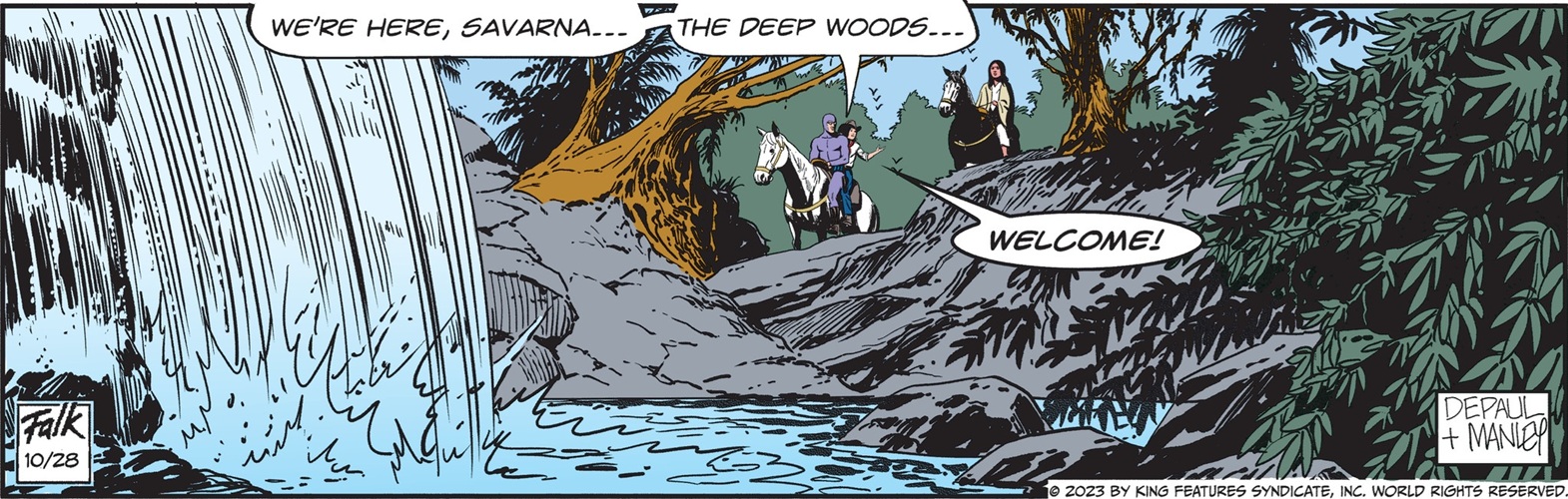
Another key factor in the Phantom’s enduring appeal is his setting. The character operates from the Deep Woods of the fictional country of Bangalla, where his Skull Cave serves as his headquarters. The lush, exotic setting provides a rich backdrop for his adventures, blending mystery, danger, and intrigue. The jungle is both a sanctuary and a battlefield, a place where the Phantom’s resourcefulness and survival skills are constantly tested. This unique environment distinguishes the Phantom from urban-based heroes like Batman or Spider-Man, offering readers a different kind of escapism that is both thrilling and immersive.
The Phantom’s mythos is deeply rooted in universal themes that resonate across cultures and eras. His mission to fight injustice, protect the innocent, and stand up against tyranny embodies values that are universally admired. The character’s unyielding moral code and sense of duty make him a symbol of hope and resilience, qualities that are especially appealing during times of societal upheaval or uncertainty. In many ways, the Phantom represents the ideal of what a hero should be—steadfast, courageous, and selfless.
One of the reasons the Phantom has remained relevant is his adaptability. Over the decades, the character has been reinterpreted and reimagined to suit the changing tastes of audiences. From the early newspaper strips to comic books, novels, movies, and even digital platforms, the Phantom has found new ways to connect with readers and viewers. Each adaptation retains the essence of the character while exploring new facets of his world, ensuring that the Phantom remains fresh and engaging without losing his identity.
The Phantom’s enduring appeal also owes much to his global reach. Unlike many superheroes who are primarily popular in their countries of origin, the Phantom has a truly international fan base. From Scandinavia to India, Australia to South America, the Phantom’s adventures have been embraced by readers around the world. In many regions, localized adaptations and translations have made the character even more accessible and relatable. For instance, in India, the Phantom was published in multiple languages, becoming a household name, while in Sweden, he remains a cultural icon, with exclusive stories produced by local publishers.
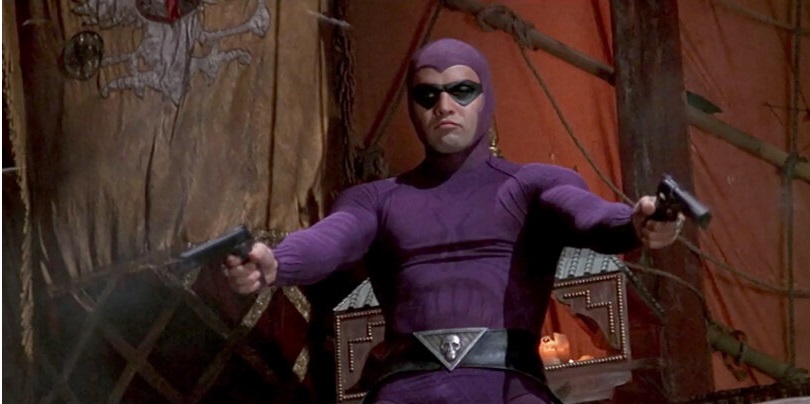
The character’s visual design is another element of his timeless appeal. The Phantom’s costume—a form-fitting purple suit, striped trunks, and a skull-emblazoned belt—is both iconic and understated. Unlike the flashy outfits of many superheroes, the Phantom’s look is practical and functional, reflecting his status as a man of action rather than a figure of spectacle. His mask, which leaves his pupils visible, adds an air of mystery while emphasizing his humanity. This simplicity in design allows the Phantom to remain recognizable and relevant, even as fashion and trends evolve.
The Phantom’s relationships also play a significant role in his enduring charm. His bond with Diana Palmer, his wife and lifelong partner, adds depth to his character, showing a more personal and vulnerable side of the Ghost Who Walks. Their relationship is built on mutual respect and understanding, portraying a partnership that is rare in the often solitary world of superheroes. Similarly, the Phantom’s allies, such as Guran and the Bandar tribe, highlight the importance of community and collaboration in his mission. These relationships ground the Phantom, making him more than just a solitary vigilante.
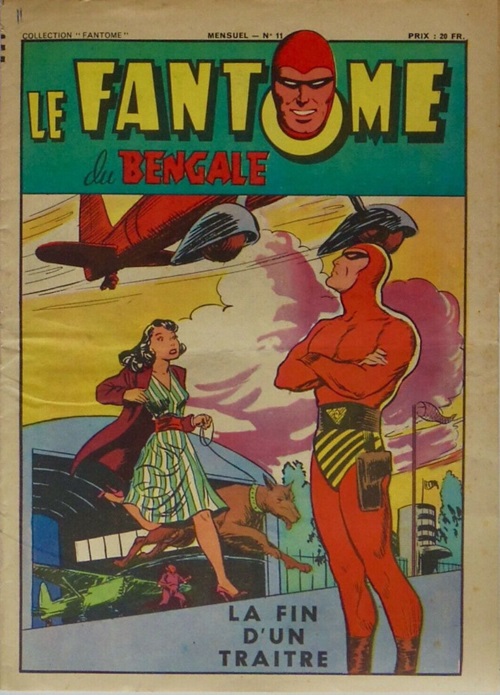
The character’s rogues’ gallery further enriches his stories. From the Singh Brotherhood to various corrupt rulers and ruthless warlords, the Phantom’s enemies are as varied as they are dangerous. These villains challenge the Phantom’s ideals and push him to his limits, creating compelling narratives that keep readers invested. The recurring nature of many of these adversaries adds a sense of continuity and history to the Phantom’s world, enhancing the depth and richness of his adventures.
What truly sets the Phantom apart from many other superheroes is his humanity. Despite his larger-than-life persona, the Phantom is not superhuman. He does not possess extraordinary powers or advanced technology. His strength lies in his courage, intelligence, and unwavering determination. This relatability makes the Phantom a hero that readers can aspire to emulate. He is a reminder that heroism is not about powers or gadgets but about standing up for what is right, even in the face of overwhelming odds.
The Phantom’s enduring legacy is also a testament to the strength of his creator, Lee Falk. Falk’s vision of a hero who embodies timeless values and operates in a richly imagined world has proven to be remarkably resilient. Falk’s storytelling, characterized by its blend of action, drama, and moral complexity, laid the foundation for a character that could withstand the test of time. Even after Falk’s passing, other writers and artists have carried on his legacy, ensuring that the Phantom’s adventures continue to captivate audiences.
The Phantom’s unique concept, compelling setting, universal themes, and adaptability have allowed him to transcend time and culture, appealing to readers across generations and geographies. As the Ghost Who Walks continues his eternal mission, his legacy serves as a reminder of the enduring power of stories that celebrate the triumph of good over evil. The Phantom is not just a hero for his time but a hero for all time, a figure whose timeless appeal ensures that he will remain an icon for years to come.
Discover more from
Subscribe to get the latest posts sent to your email.
 thephantom.fan