
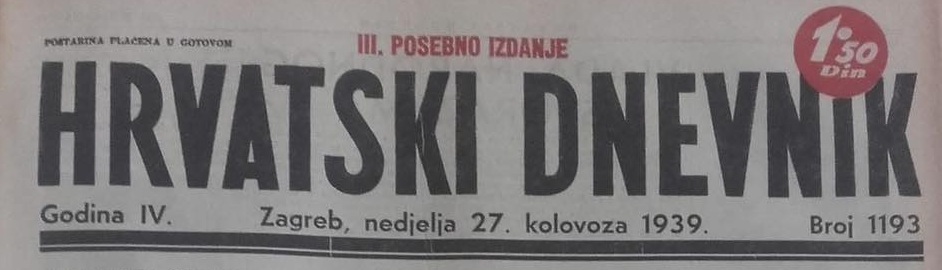
Hrvatski dnevnik, a Croatian daily newspaper published in Zagreb, holds a significant place in the media landscape of pre-World War II Yugoslavia. Established in May 1936, the newspaper operated until April 1941, during which time it became a prominent platform for news, culture, and serialized entertainment. Notably, Hrvatski dnevnik was among the first publications in the Kingdom of Yugoslavia to feature the Phantom comic strip, introducing this iconic character to a Yugoslav audience.
Founding and Editorial Leadership
Hrvatski dnevnik was founded in May 1936 as a daily newspaper aligned with the Croatian Peasant Party (Hrvatska seljačka stranka, HSS). The editorial helm was taken by Franjo Leaković, under whose guidance the newspaper sought to cater to the interests and perspectives of the Croatian peasantry and broader populace. The publication was printed in the Croatian language and maintained a daily circulation schedule.
Content and Contributions
Hrvatski dnevnik was a newspaper that offered its readers a diverse range of content, reflecting the social, political, and cultural landscape of pre-World War II Croatia. As a publication aligned with the Croatian Peasant Party (Hrvatska seljačka stranka, HSS), it frequently covered political developments, advocating for the interests of the Croatian peasantry and the broader population. The newspaper published editorials, opinion pieces, and news reports that reflected the party’s perspectives on national and international affairs. Through its political coverage, Hrvatski dnevnik played an essential role in shaping public discourse and informing readers about the evolving situation in Yugoslavia during a time of growing political tension and impending war.
Beyond politics, Hrvatski dnevnik also had a strong focus on culture, literature, and serialized storytelling. The newspaper regularly featured articles on Croatian arts, theater, and literature, highlighting the work of contemporary writers and intellectuals. Among its notable contributors was the renowned writer and explorer Tibor Sekelj, who provided travel writings and cultural insights that captivated readers. Additionally, the newspaper published serialized fiction, including adventure stories and detective narratives, catering to a wide audience with varying literary interests. This combination of high-quality journalism and engaging storytelling made Hrvatski dnevnik a well-rounded publication that appealed to both politically engaged readers and those looking for entertainment.
One of the most significant contributions of Hrvatski dnevnik to Yugoslav popular culture was its role in bringing the Phantom comic strip to the region. The newspaper serialized the daily and Sunday adventures of the masked hero, making it one of the first publications in Yugoslavia to introduce the character to a local audience. Recognizing the growing popularity of the comic, Hrvatski dnevnik later reprinted the first four Phantom daily stories in a standalone comic book series titled Fantom, published between 1937 and 1938. These comics, translated by the esteemed poet Ivan Goran Kovačić, were among the earliest examples of comic book publishing in Croatia, establishing a legacy that would influence later generations of comic readers and artists in the region.
Introduction of the Phantom Comic Strip
In 1936, shortly after his inception on the 17th of February in the USA , Hrvatski dnevnik introduced the Phantom comic strip to its newspaper readers on the 7th of June 1936, marking the first appearance of this iconic character in the Kingdom of Yugoslavia. The newspaper serialized both the daily and Sunday strips, offering readers a continuous and engaging narrative that spanned various adventures, running them seven days a week. This initiative not only enriched the newspaper’s content but also played a pivotal role in popularizing comic strips within the region.
The decision to feature the Phantom was significant, as it introduced Yugoslav readers to a new form of storytelling that combined visual art with serialized narratives. This move aligned with global trends in media consumption during the early 20th century, where comic strips were becoming a popular medium for entertainment and storytelling.
The publication of the Phantom in Hrvatski dnevnik continued until 1941, when the newspaper ceased operations due to the Axis invasion of Yugoslavia during World War II. Despite its relatively short run, the inclusion of the Phantom left a lasting impact on the Yugoslav comic scene, paving the way for future publications and adaptations in the region.
Hrvatski dnevnik’s introduction of the Phantom comic strip was a pioneering effort that not only diversified the newspaper’s content but also played a crucial role in the development of comic culture in Yugoslavia. By bringing this globally popular character to its readers, the newspaper contributed to the broader acceptance and appreciation of comic art and storytelling in the region.

Reprints in Fantom Comic Book Series
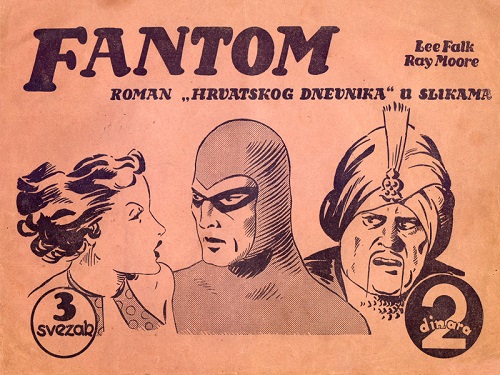
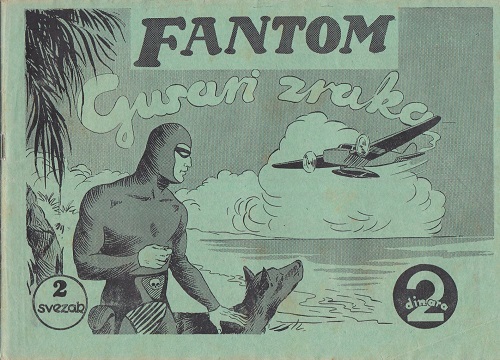
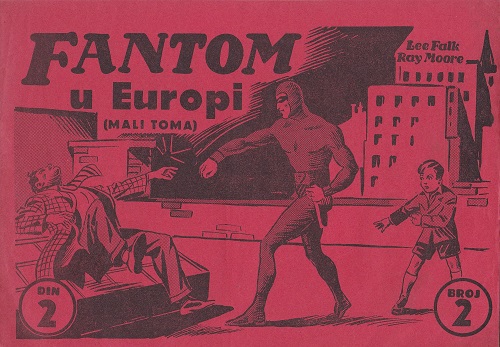
Building on the popularity of the Phantom comic strips, Hrvatski dnevnik reprinted the first four daily stories in a comic book series titled Fantom during 1937 and 1938. This series comprised 32 issues, divided into four sequences, each featuring a distinct story arc. The sequences included ‘The Singh Brotherhood’ (9 issues), ‘The Sky Band’ (5 issues), ‘War in the Jungle’ (6 issues), and ‘Little Toma’ (12 issues). Each sequence reset the numbering and featured new cover images, often utilizing panels from the stories with varying color tones. The translation of these stories was undertaken by the esteemed Yugoslavian/Croatian poet Ivan Goran Kovačić, adding a literary touch to the adaptations.

Cessation of Publication
The cessation of Hrvatski dnevnik in April 1941 was directly linked to the Axis invasion of Yugoslavia during World War II. The political upheaval and subsequent occupation led to the discontinuation of many publications, including Hrvatski dnevnik. The newspaper’s alignment with the Croatian Peasant Party (HSS) and its editorial stance may have further contributed to its closure under the new regime. This marked the end of a significant period in Croatian journalism, as Hrvatski dnevnik had been a prominent platform for news, culture, and serialized entertainment since its establishment in May 1936.
Legacy and Historical Significance
Hrvatski dnevnik’s contribution to the Yugoslavian press landscape is noteworthy, particularly for its role in introducing and popularizing the Phantom comic strip in the region. By serializing and later reprinting these stories, the newspaper played a pivotal role in shaping the comic culture in Yugoslavia. The collaboration with prominent figures like Ivan Goran Kovačić further underscores its cultural impact.
Hrvatski dnevnik stands as a testament to the dynamic media environment of pre-World War II Yugoslavia. Its innovative inclusion of serialized comic strips, engagement with esteemed literary figures, and alignment with political movements reflect a multifaceted approach to journalism and entertainment during a transformative period in the region’s history.
 thephantom.fan