
Télé Junior is a magazine series published by Junior Production, S.A. in France. The series commenced in September 1977 through till February 1983, initially published on a monthly basis, with 45 editions released. The magazine series is known for adapting various television shows into comic strips. It played a significant role in bringing popular TV characters and narratives to a print format for young French audiences.
Junior Production, S.A. was a French publishing house active primarily from the late 1970s to the early 1980s, known for its strategic focus on transforming popular television shows into comic book series and magazines. This approach capitalized on the burgeoning influence of TV on young audiences, allowing Junior Production, S.A. to adapt both French and international hits into comic strip format. Their flagship publication, the monthly (and later weekly) Télé Junior magazine, featured a diverse array of content. This included adaptations of American animated series like Scooby-Doo and The Flintstones, Japanese anime such as Goldorak (Grendizer) and San-Ku-Kaï, and occasionally even live-action TV shows. Beyond these adaptations, the magazines also showcased original French comic strips by local artists and writers, alongside engaging ancillary content like games, posters, and articles about popular TV personalities.
In addition to the popular Télé Junior magazine, the publisher also released the Collection Télé Junior, a series of standalone comic albums. These albums often compiled stories previously featured in the magazines, offering dedicated volumes for specific TV series. The company’s broader catalog also encompassed other titles such as Télé B.D., Télé Parade, Les Fous du volant (Wacky Races), and comics based on French children’s shows like Les Visiteurs du mercredi. By tapping into the widespread appeal of television, Junior Production, S.A. effectively provided an accessible entry point to the world of comics for a broad segment of French youth.
Junior Production, S.A.’s unique business model, centered on licensing and adapting popular media, cemented its place in French comic book history during its operational years. While the exact circumstances of its eventual decline are not widely documented, like many publishers in a dynamic industry, it likely faced challenges from evolving media consumption habits and competition. Nonetheless, its publications remain a cherished part of the nostalgia for many who grew up in France during that vibrant era, fondly remembering the fusion of their favorite TV characters with the engaging world of comic strips.
The core appeal of Télé Junior lay in its comic strip adaptations of hit television series. These included a wide range of genres, from animated cartoons to live-action shows. Beyond the comic strips, the magazine also featured articles, interviews (sometimes with TV stars or musicians), puzzles, games, competitions, and occasionally included small gifts or supplements.
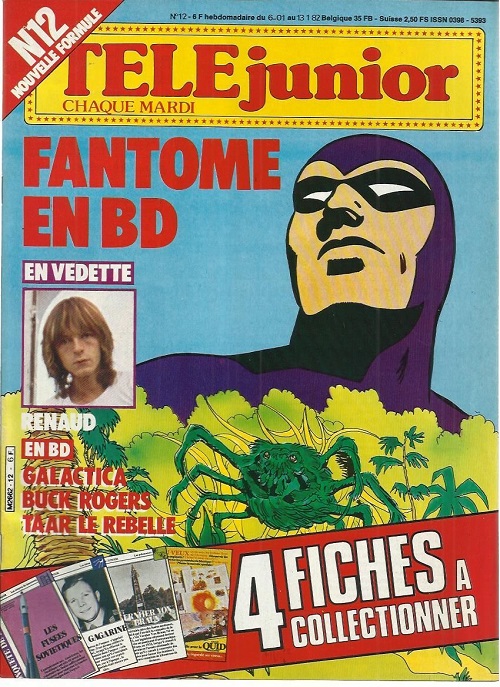
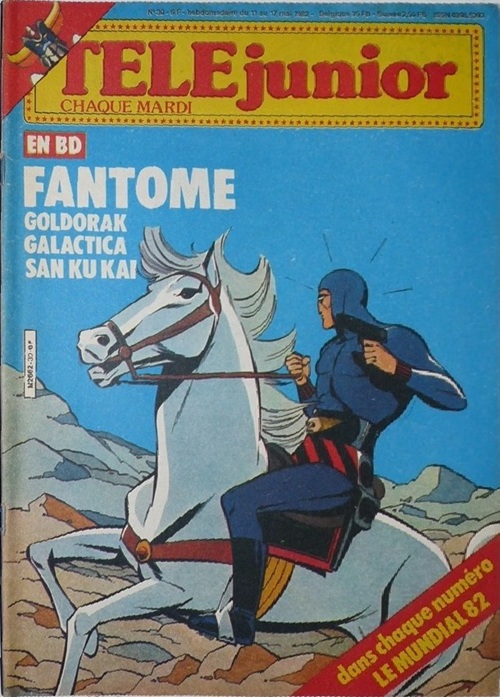
The Phantom was featured in various editions, both within the magazine and also on the front cover. He’s found on 3 of the 45 front covers, edition numbers 12 (1981), 30 (1982) and 33 (1982), which can be seen below.

Télé Junior provided a crucial link between the burgeoning world of television and print media for a generation of French children. It allowed them to revisit their favorite TV adventures in a tangible format, extending the enjoyment and engagement with popular culture. The magazine’s popularity also helped to introduce various international characters and stories to the French market.
 thephantom.fan