
Fumetto is a magazine published by the Associazione Nazionale Amici del Fumetto e dell’Illistrazione (which translates to National Association of Friends of Comics and Illustration) in Reggio Emilia, Italy commencing in 1992. The magazine is dedicated to the study and appreciation of comics, serving as a commercial publication, it functions as a scholarly journal, providing critical analyses, historical retrospectives, and curated reprints of classic comic strips.
The Associazione Nazionale Amici del Fumetto e dell’Illustrazione is an Italian cultural organization devoted to the appreciation and promotion of comic books and illustration. Established to unite fans, collectors, artists, and scholars, the association serves as a hub for those passionate about the artistic and narrative potential of visual storytelling. It celebrates both historic and contemporary figures in the world of comics, supporting a wide array of activities that highlight the medium’s cultural significance in Italy and beyond.
This organization plays a vital role in preserving the legacy of Italian comics, often collaborating with museums, libraries, and cultural institutions to organize exhibitions and retrospectives. Through these events, the association helps introduce new audiences to classic Italian comic creators as well as emerging talents. It is particularly known for its efforts in documenting and honoring the work of influential artists, ensuring their contributions are recognized and remembered through curated archives and scholarly publications.
In addition to its preservation work, the association actively encourages new creative endeavors in the fields of comics and illustration. It supports educational initiatives, public discussions, and conferences that foster deeper understanding of visual arts. By creating a bridge between generations of artists and fans, the Associazione Nazionale Amici del Fumetto e dell’Illustrazione continues to nurture Italy’s vibrant tradition of graphic storytelling and ensure its continued growth as both an art form and a cultural touchstone.
Unlike mainstream comic magazines that focus on entertainment or current releases, Fumetto emphasizes critical thought and historical context. It regularly features essays and articles on the most influential comic creators, both Italian and international. For example, Alex Raymond, the American creator of Flash Gordon and Rip Kirby, is often the subject of detailed studies, including his cinematic style and impact on visual storytelling. Italian icons such as Guido Crepax, known for Valentina, and Paolo Eleuteri Serpieri, creator of the erotic sci-fi saga Druuna, are also explored in depth. These profiles offer insights into their artistic methods and their roles in shaping mature-themed comics in Europe.
In addition to artist spotlights, the magazine delves into broader thematic issues. Topics have included expressionism in comic art, analyzing how visual distortion and exaggerated emotion convey psychological depth, and the evolving role of women in comics—both as characters and as creators. These essays reflect the magazine’s intellectual tone and its desire to elevate comics within academic and cultural discourse.
Another standout feature of Fumetto is its inclusion of classic comic strip reprints. Readers are treated to restored and annotated versions of early 20th-century icons like Garth (a British science fiction hero), Li’l Abner by Al Capp, Joe Palooka, and the Italian strip Mirko. These are often presented alongside historical context, helping readers understand their original cultural impact and narrative style.
The magazine also explores national comic traditions, such as British or American comics, offering comparisons and identifying cross-cultural influences. For example, its pieces on the development of English comics highlight how they diverged from American superhero models, focusing instead on wartime heroism, social satire, and moral ambiguity.
Physically, Fumetto resembles a scholarly periodical more than a glossy entertainment magazine. It is produced with collectors and researchers in mind, offering rich textual content over flashy visuals. Its readership includes academics, seasoned collectors, and comic historians who rely on it for well-researched and serious commentary.
Through its intellectual rigor, historical preservation, and dedication to elevating comics as a legitimate art form, Fumetto has played a foundational role in Italy’s comic culture. It remains a vital resource for understanding the evolution of comics in Italy and their relationship to global trends.
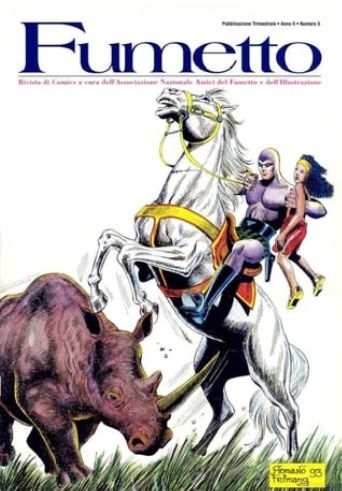
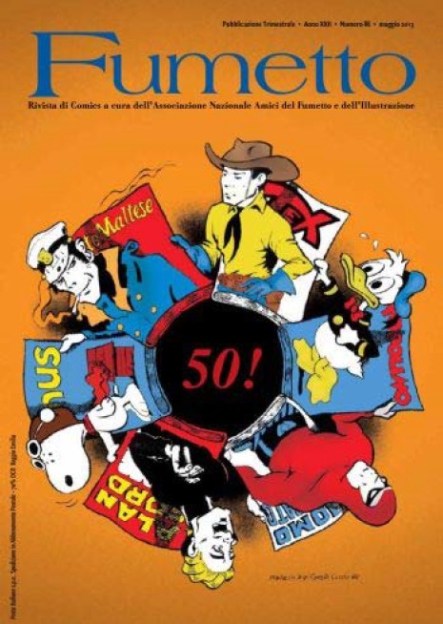
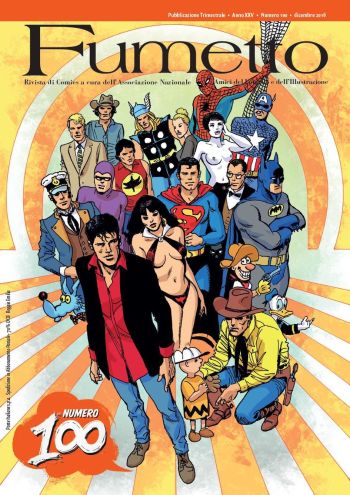
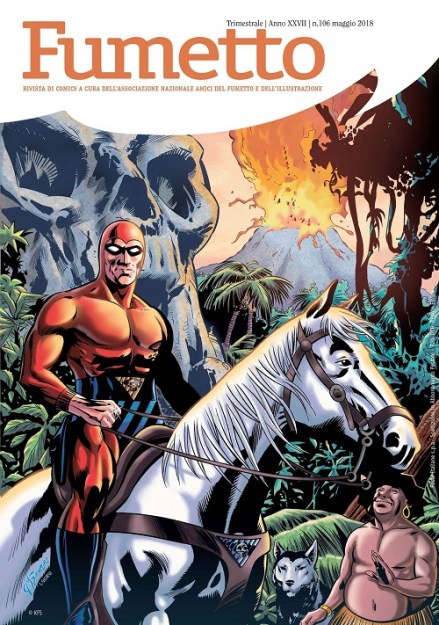
The Phantom has appeared in the magazine series on several occasions, both within and on the cover. Below are various examples of the Phantom featured on the front covers, from left to right:
- Edition number 5 in 1993
- Edition number 86 in 2013
- Edition number 100 in 2016
- Edition number 104 in 2017
- Edition number 106 in 2018

 thephantom.fan