
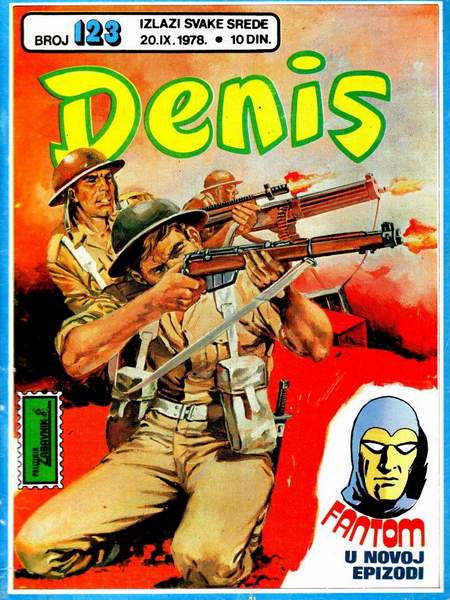
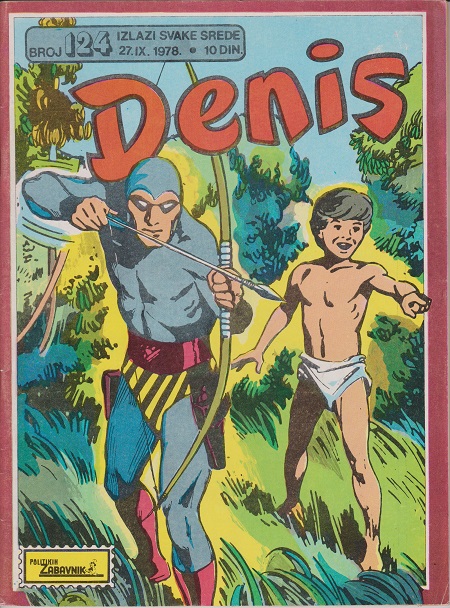
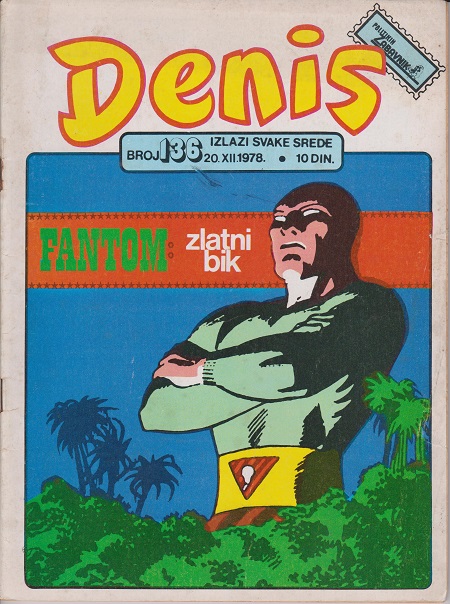
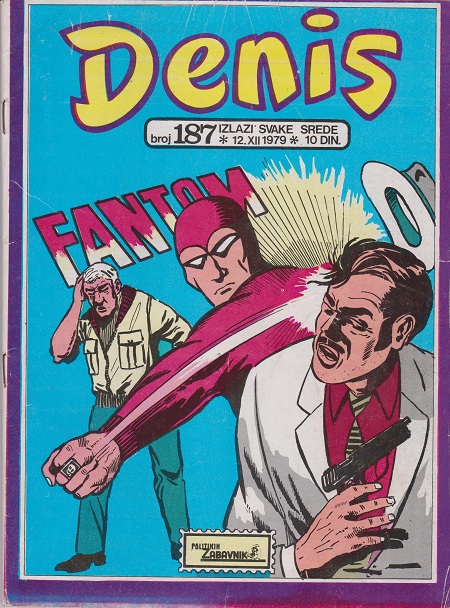
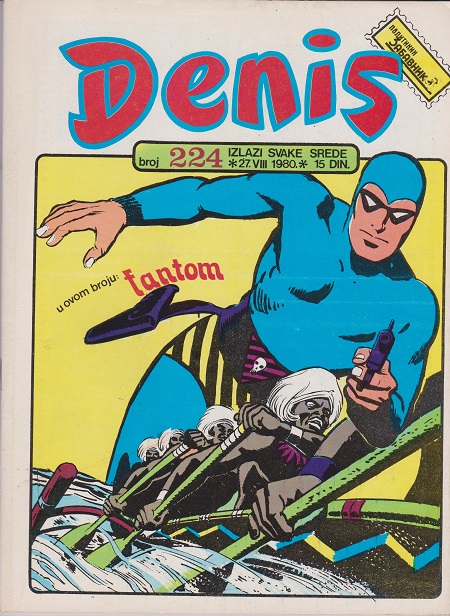
Denis is a comic magazine series published by Politika Zabavnik in Belgrade, Serbia (former Yugoslavia) between 1976 and 1981. A total of 262 comic magazines are found in the series, with Phantom comic strips published in 97 of these editions and appearing 19 times on the front cover.
Politikin Zabavnik, meaning “Politika’s Entertainer,” is a legendary Serbian weekly magazine that has captivated generations across the former Yugoslavia and beyond. Launched on February 28, 1939, by the prominent publishing house Politika, its original concept was a balanced blend of comics and textual content. It started as a bi-weekly publication, appearing on Tuesdays and Fridays, and quickly gained popularity. The magazine’s enduring slogan, “For everyone from 7 to 107,” perfectly encapsulates its broad appeal, aiming to entertain and educate readers of all ages with its diverse and engaging content.
A significant part of Politikin Zabavnik’s enduring legacy lies in its rich comic section. It was a primary source for introducing a vast array of international comics to Yugoslav readers, including beloved characters from Walt Disney, such as Mickey Mouse and Donald Duck, as well as iconic heroes from DC Comics (like Batman) and Marvel Comics. Beyond American giants, the magazine also featured European comics, including Tintin and Asterix. Crucially, Politikin Zabavnik also championed domestic comic artists and series, such as the popular Dikan, which showcased unique Yugoslav storytelling and artistry, contributing significantly to the development of the local comic scene.
Beyond its famed comics, Politikin Zabavnik offered a veritable encyclopedia of knowledge and entertainment. Each issue was packed with engaging articles on a wide range of subjects, including science, nature, history, art, and music. Readers could delve into intriguing trivia, short stories, and even logical puzzles and personality tests. Popular recurring sections included “Ripley’s Believe It or Not!” and “Have you heard that…”, which captivated audiences with unusual facts and stories from around the world. This blend of edutainment, delivered in an accessible and entertaining style, made it an invaluable resource for learning and leisure for millions.
Politikin Zabavnik’s cultural impact in Yugoslavia was immense, solidifying its status as an iconic and beloved publication that transcended mere entertainment. It served as a common cultural touchstone for generations, fostering a shared experience among young and old across diverse regions. Despite the political changes and the eventual dissolution of Yugoslavia, Politikin Zabavnik has remarkably continued its publication, adapting to new realities while largely maintaining its core values and content formula. This longevity underscores its deep-seated place in Serbian and wider Balkan culture, remaining a testament to its quality and enduring appeal as a source of both amusement and enlightenment.
The series is titled after the comic character ‘Dennis the Menaces’, with each edition containing a mix of comic strips and not solely dedicated to the Phantom. Other comic strip characters commonly found in the series include Dennis the Menace, Lucky Luck, Skull the Slayer, Dredger, Simon Test, The Steel Claw and more.
The series was published in a mix of black and white and also color pages, generally containing 68 pages and measure approximately 21cm x 28cm.
In Denis number 70, the publisher announces that the Phantom is due to be published in the following edition. We see the advertisement shown on page 67.


Edition number 71, published on the 21st of September, 1977, marks the inaugural appearance of the Phantom on both the front cover and the interior pages. This edition features the Lee Falk story titled ‘The Killer.’
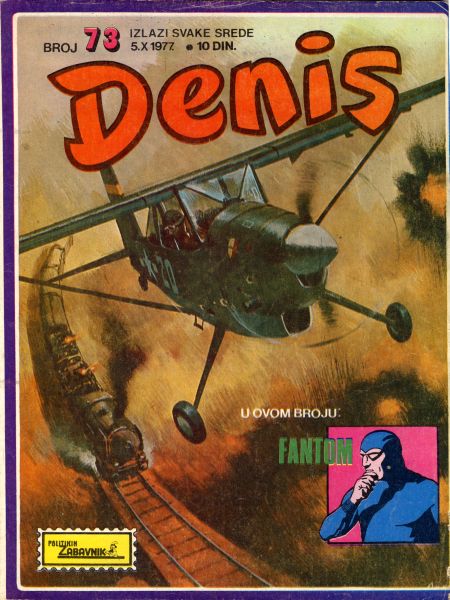
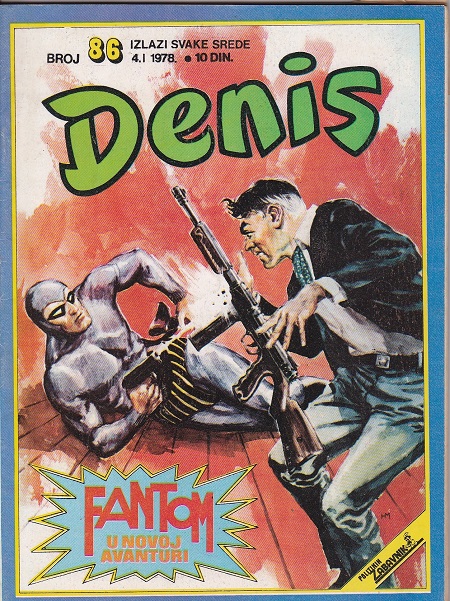
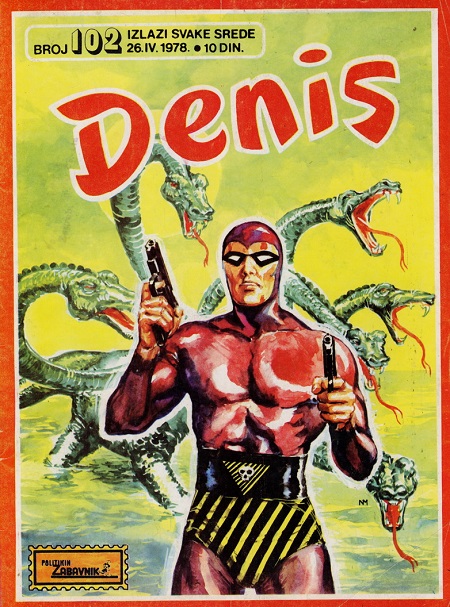
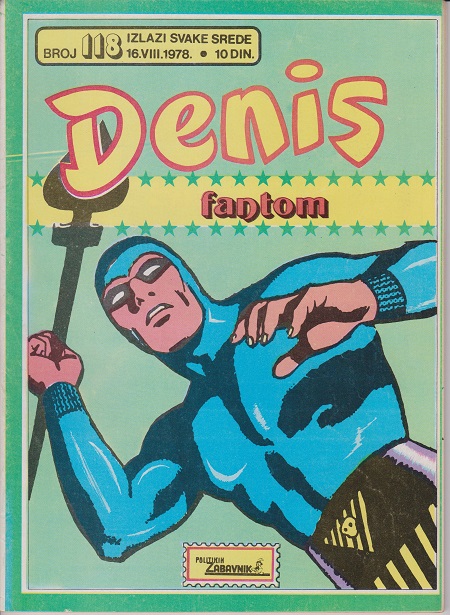
The Denis comic magazine covers featuring the Phantom can be seen below.








A sample of internal pages can be seen below.


 thephantom.fan