
The Phantom comic books were published by DC Comics, Inc in USA. Two separate series were produced, a total of 17 comics, all in full color with gloss pages containing original storylines and art. The comic books were produced under license from King Features Syndicate.
DC Comics, a cornerstone of the American comic book industry, traces its origins back to 1935 with the founding of National Allied Publications by Major Malcolm Wheeler-Nicholson. The company’s initials are an abbreviation for its popular series, Detective Comics, which debuted in 1937. The publisher changed the course of pop culture with the 1938 debut of Superman in Action Comics #1, immediately launching the “Golden Age of Comics” and establishing the superhero archetype. This was quickly followed by the introduction of Batman in Detective Comics #27 in 1939 and Wonder Woman a few years later, cementing the foundation of their legendary “Trinity” and vast fictional universe.
The company’s immense cultural influence stems from its roster of globally recognized characters, often considered some of the most enduring figures in fiction. Beyond the core heroes of Superman, Batman, and Wonder Woman, DC is home to iconic teams like the Justice League (including Green Lantern, The Flash, and Aquaman) and a rogue’s gallery of legendary villains such as The Joker, Lex Luthor, and Cheetah. These characters and their epic narratives, often revolving around the themes of hope, justice, and the conflict between good and evil, have transcended the comic page to become pervasive in global media.
To cater to diverse audiences and creative visions, DC Comics operates several distinct imprints. The main DC imprint focuses on the primary DC Universe continuity and its iconic superhero stories. For more mature, standalone, or out-of-continuity titles, the publisher uses DC Black Label, which has produced critically acclaimed series like Batman: Damned and Joker: Endgame. Furthermore, DC publishes lines aimed at younger readers, such as DC Graphic Novels for Kids (formerly DC Zoom) and DC Graphic Novels for Young Adults (formerly DC Ink), ensuring accessibility and an entry point for all ages into the DC Universe.
As a publisher, DC Comics remains one of the two largest in the North American comic industry (alongside Marvel Comics) and is a subsidiary of the global media conglomerate Warner Bros. Discovery. While facing increasing competition from manga and independent publishers in the overall book market, DC maintains a dominant presence in the direct comic shop market, often driven by the success of key initiatives like its recent “Absolute Universe” storyline and strong sales for its flagship characters, particularly Batman. Their characters form the basis of the vast DC Extended Universe in film and various successful TV series, video games, and animated projects, confirming DC’s role as a major multimedia entertainment powerhouse.
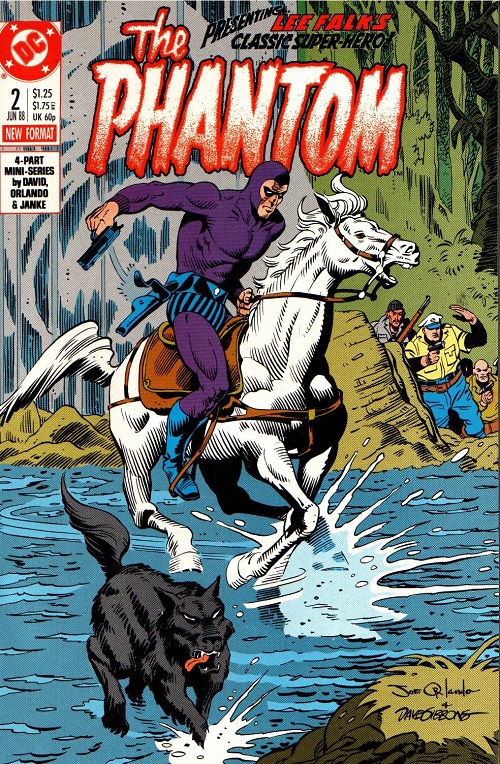
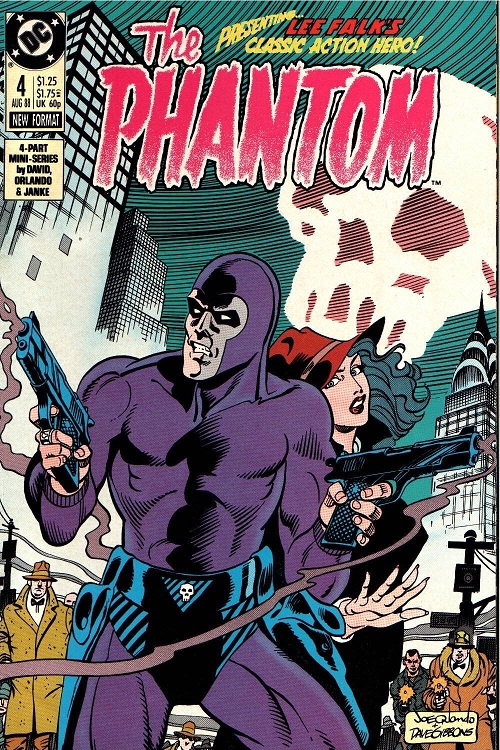
The initial series of Phantom comic book covers from the mini-series, comprising four editions released by DC Comics in the United States in 1988, is presented below. The story of the comic strip is authored by Peter David, with illustrations by Joe Orlando and Dennis Janke. The cover artwork for all four editions is created by Joe Orlando, Dave Gibbons, and Anthony Tollin. These comics are printed in full color, each containing approximately 36 pages, and measure 17cm x 26cm.


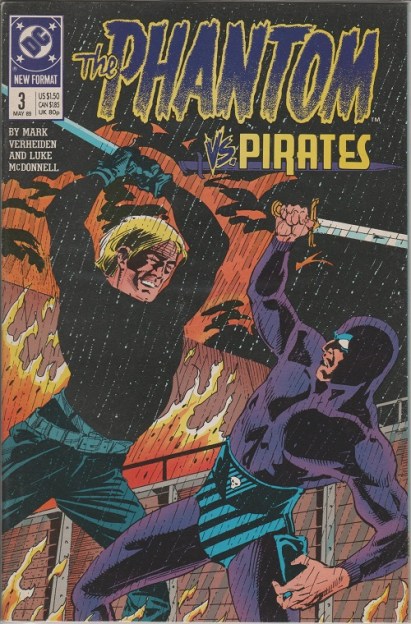
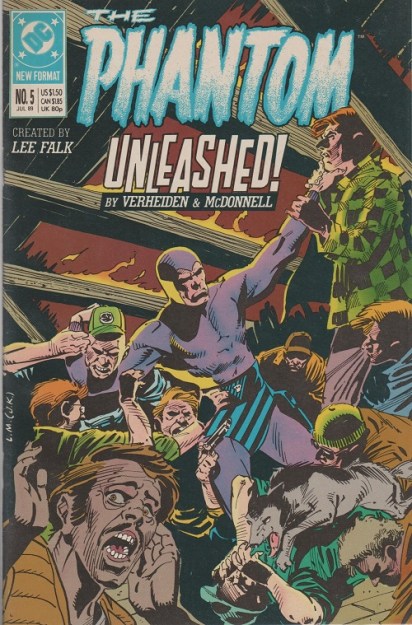
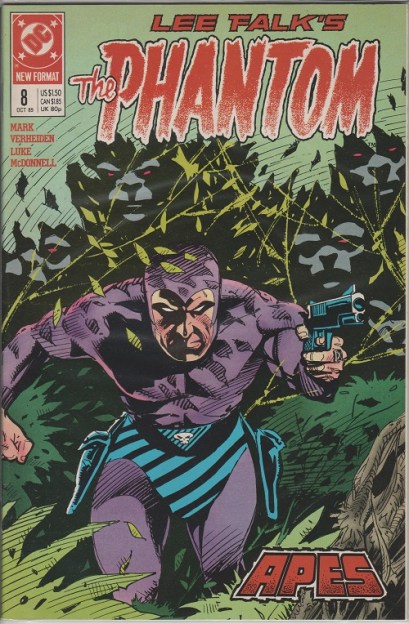
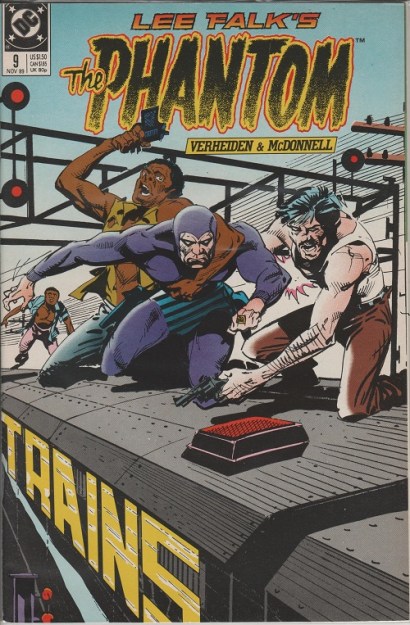
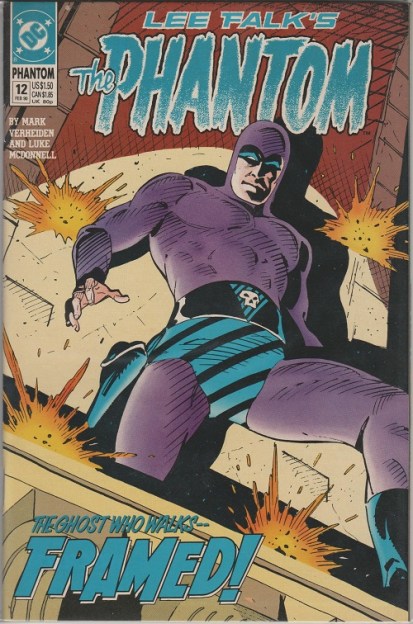
The Phantom comic book covers from the regular series, consisting of thirteen editions published by DC Comics in the United States between 1989 and 1990, are detailed below. The accompanying comic strip story is authored by Mark Verheiden and illustrated by Luke McDonnell. The cover art for all thirteen editions is the collaborative work of Luke McDonnell and Anthony Tollin. Each edition is printed in full color, comprising approximately 36 pages and measuring 17cm x 26cm.








DC Comics, Inc. produced a promotional poster to advertise the Phantom comic book mini-series, released in 1988 comprising of four editions, which is displayed below. This poster was utilized by retailers to advertise the sale of the series in their respective store.

 thephantom.fan