
The Phantom Iron-On transfer was produced by Factors Etc. Inc. in Bear, Delaware, USA in 1979. The company produced 2 unique designs featuring the Phantom, both fully licensed by King Features Syndicate.
Factors Etc. Inc. emerged as a notable force in the American manufacturing landscape of the 1970s, primarily recognized for its prolific production of iron-on transfers. These customizable designs became a quintessential element of popular culture during the era, allowing individuals to personalize their clothing, particularly t-shirts, with a diverse array of images. The company capitalized on the prevailing trends, producing transfers that showcased everything from vintage wrestling and cycling motifs to iconic sports figures like Ilie Nastase and beloved characters from blockbuster films such as Star Wars. Their expansive catalog also included designs featuring popular music bands, superheroes, hot rods, and a wide assortment of humorous and cartoon themes, solidifying their presence in the vibrant world of personalized apparel.
Beyond their role in fashion and self-expression, Factors Etc. Inc. played a significant part in the legal evolution surrounding celebrity image rights. Following the untimely death of Elvis Presley in 1977, the company secured exclusive rights to market his name and likeness through an agreement with Boxcar Enterprises, a company controlled by Presley and his manager. This strategic acquisition led to a series of landmark legal battles, most notably Factors Etc., Inc. v. Pro Arts, Inc. In these cases, Factors Etc. Inc. sued Pro Arts, Inc. for distributing unauthorized Elvis Presley memorial posters. These proceedings were instrumental in establishing and clarifying the legal concept of the “right of publicity” – the inherent right of an individual to control the commercial use of their name, image, and likeness.
The legal outcomes of these cases were pivotal, affirming that such publicity rights could indeed survive a celebrity’s death and be commercially exploited, provided they had been utilized during the celebrity’s lifetime. This established a crucial precedent for how the images and brands of deceased public figures could be managed and monetized. Therefore, Factors Etc. Inc. was not merely a manufacturer of popular iron-on transfers; it was also a key player in shaping the legal framework for intellectual property in the realm of celebrity branding, leaving a lasting legacy that extended far beyond the casual fashion trends of the 1970s.
The Phantom iron-on transfers were sold in clear see-through plastic pouches with an instruction sheet. The iron-on transfers were attached to backing paper with the color transfer image found behind the adhesive, facing the front side of the transfer sheet measuring 12.5” x 10”. The front and back of both of the iron-on transfers can be seen below.
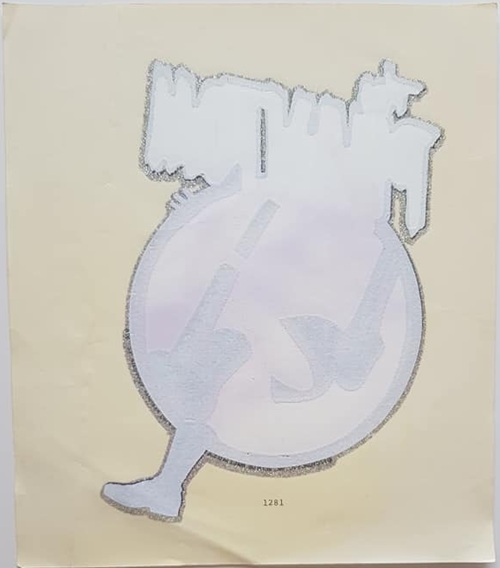

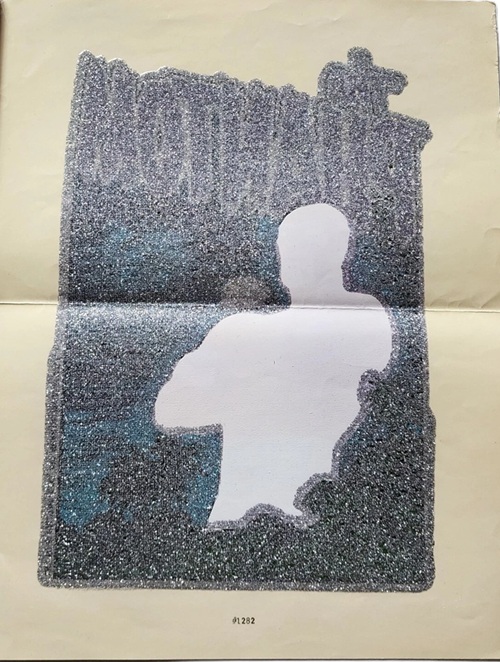

Also seen on the backing sheets are Factors Etc. Inc. catalogue numbers (seen below the images above), numbers 1281 and 1282.
Images of the Phantom as illustrated by Sy Barry are seen on the iron-on transfers, with copyright information, manufacturing company and year of production seen along the edges.
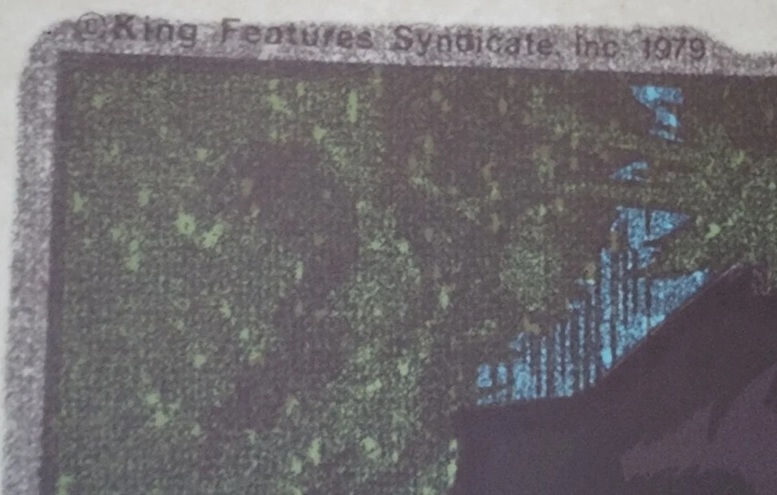
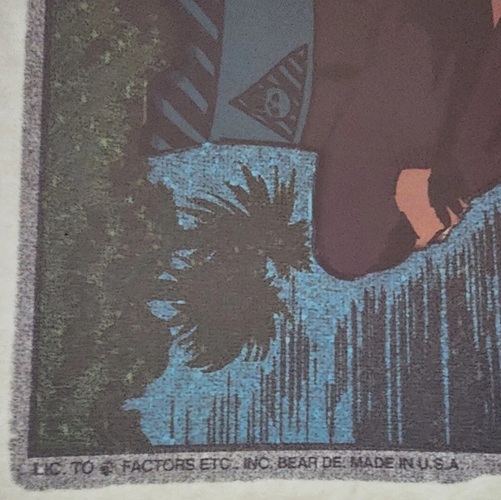
A sample of the instruction sheet provided by Factors Etc. Inc. with the Phantom iron-on transfers can be seen below.

General Information on Iron-On Transfers
The 1970’s marked the ‘great boom’ for iron-on transfers in the United States and abroad. Literally dozens of US small business jumped onto the iron-on t-shirt ‘band-wagon’. The plethora of transfer subjects were endless, from movies to movie stars, from T.V shows to teenage heartthrobs, hot rods to booze 420, from humor to horror; no matter what your taste was, there was something for you. The majority of such businesses at that time were primarily located in New York City, NY.
Some of the more notable companies during the 1970’s were ‘Encore House’, ‘Factors Etc. Inc.’, ‘Crazy David’, ‘Imagination House’, ‘Canyon House’, ‘Roach’ and ‘Cindy Press Ltd’. All such companies frequently advertised their products in comic books, science fiction and pop culture magazines.
 thephantom.fan