
Collecting trading cards has been a passion for many enthusiasts around the world for decades, providing an engaging and rewarding hobby that combines history, investment, nostalgia, and community. The thrill of opening a new pack, the joy of discovering a rare card, and the sense of accomplishment in completing a set make trading card collecting a unique pursuit that appeals to a wide range of individuals. While some may see trading cards as simple pieces of printed material, their value goes far beyond their physical composition, touching on elements of culture, economics, and personal connection.
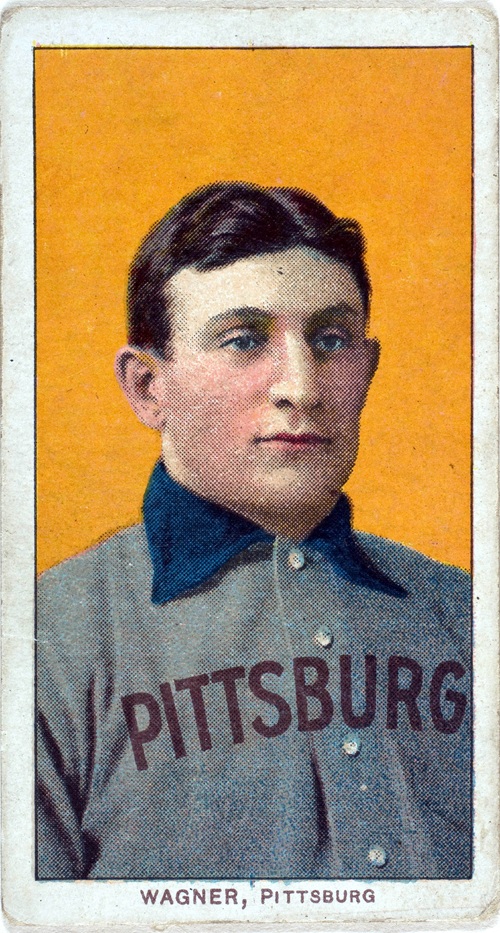
One of the most compelling reasons to collect trading cards is their status as historical artifacts. Cards often serve as time capsules that reflect different periods in sports, entertainment, and even global events. Baseball cards, for instance, have been a staple of American culture since the late 19th century, with early tobacco-era cards such as the T206 Honus Wagner (produced between 1909 and 1911) becoming legendary within the collecting world. The rarity and demand for such cards have driven their prices into the millions, with one Wagner card selling for $6.6 million in 2021. Beyond baseball, trading cards have chronicled everything from the rise of basketball greats like Michael Jordan in the 1986 Fleer series to the early days of the Pokémon franchise with the 1999 Pokémon Base Set. Each card encapsulates a moment in time, making them prized possessions for those who appreciate the history behind them.
Another major factor that makes trading card collecting an attractive hobby is its potential as an investment. Certain cards appreciate in value over time, sometimes yielding extraordinary returns. A perfect example is the 2003-04 Upper Deck Exquisite LeBron James rookie card, which sold for $5.2 million in 2021 after initially being released for a fraction of that price. Pokémon cards have seen similar surges in value, with a 1999 1st Edition Charizard in pristine condition commanding prices upwards of $400,000. The advent of professional card grading services like PSA (Professional Sports Authenticator) and Beckett has helped legitimize the trading card market, providing collectors with a way to authenticate and preserve their investments. As demand for high-grade cards continues to rise, trading card collecting has proven to be a financially viable hobby for many.
Beyond monetary value, collecting trading cards offers a deep sense of nostalgia and personal fulfillment. Many collectors begin their journey during childhood, drawn to the excitement of their favorite sports stars, anime characters, or fantasy creatures. The act of revisiting childhood collections, whether through acquiring missing pieces or upgrading card conditions, provides a powerful emotional connection to one’s past. As author Michael O’Keeffe noted in “The Card: Collectors, Con Men, and the True Story of History’s Most Desired Baseball Card” (2007), “For many collectors, cards are more than just an investment or a hobby; they are a link to their youth, a tangible connection to a simpler time.” This sense of nostalgia fuels the enduring appeal of trading card collecting.
The social aspect of collecting is another significant reason why trading cards remain popular. Card shows, conventions, and online marketplaces provide collectors with opportunities to interact, trade, and build friendships with like-minded enthusiasts. The National Sports Collectors Convention, first held in 1980, continues to be one of the largest gatherings of trading card collectors, where rare finds, autographed memorabilia, and networking opportunities abound. Online platforms like eBay, COMC, and TCGPlayer have made it easier than ever for collectors to buy, sell, and trade, connecting people across the globe. Whether engaging in a face-to-face trade at a local card shop or discussing market trends on an online forum, trading card collecting fosters a sense of community that enhances the overall experience.
A crucial aspect of trading card collecting is the thrill of the hunt. Searching for a rare rookie card, a holographic Pokémon card, or a limited-edition autograph card is akin to modern-day treasure hunting. Some collectors spend years tracking down elusive pieces to complete a set or enhance their personal collection. The excitement of opening a sealed box, hoping to pull a valuable or sentimental card, is unmatched. This element of chance and discovery keeps collectors engaged and always looking forward to their next big find. Limited print runs and special edition releases further add to the challenge, making the pursuit of specific cards even more rewarding.
The artistry and craftsmanship involved in trading cards also contribute to their appeal. Over the years, the designs of trading cards have evolved significantly, incorporating intricate artwork, premium materials, and innovative printing techniques. Modern trading card companies like Topps, Panini, and Upper Deck produce high-end products featuring foil embossing, holographic effects, and even embedded game-worn jersey pieces. Pokémon cards, known for their vibrant illustrations, showcase the artistic talents of designers like Ken Sugimori, whose original Pokémon artwork continues to be revered by fans worldwide. Collecting trading cards allows enthusiasts to appreciate these artistic elements while also recognizing the evolution of card design over time.
Trading card collecting is not limited to sports and gaming; it extends into various pop culture franchises, adding another layer of interest to the hobby. Star Wars trading cards, first released by Topps in 1977, provided fans with a way to engage with the franchise beyond the movies. Similarly, Marvel trading cards, which gained popularity in the 1990s with the Marvel Universe Series, introduced comic book fans to collectible character bios and artwork. The emergence of non-sport trading cards has broadened the appeal of collecting, attracting those who may not have previously considered the hobby.
Another compelling reason to collect trading cards is their potential as a long-term legacy. Many collectors pass down their treasured collections to future generations, allowing their children or grandchildren to experience the joy of collecting. A well-preserved collection tells a story about the collector’s passions, interests, and the era in which they lived. Some collections even find their way into museums or archives, ensuring that these cards remain a part of cultural history. The Baseball Hall of Fame in Cooperstown, for instance, has an extensive trading card collection that highlights the evolution of the sport and its legendary figures.
The resurgence of trading card collecting in recent years has been fueled by a combination of nostalgia, digital engagement, and mainstream media attention. The COVID-19 pandemic saw a dramatic spike in card collecting as people sought hobbies that provided both entertainment and investment potential. Celebrities like Logan Paul, who famously wore a PSA-graded 10 Pikachu Illustrator card worth millions around his neck during a boxing event in 2022, have brought significant attention to the hobby. This renewed interest has led to the growth of online card-breaking events, where collectors participate in live openings of rare and expensive boxes, further amplifying the excitement and accessibility of trading card collecting.
Ultimately, trading card collecting is a hobby that offers a blend of history, investment, nostalgia, social interaction, and artistic appreciation. Whether one is drawn to the thrill of opening packs, the challenge of completing a rare set, or the potential for financial gain, the reasons for engaging in this pursuit are vast and deeply personal. As long as new generations of fans continue to appreciate the cultural and artistic significance of trading cards, this hobby will remain a cherished and worthwhile endeavor for years to come.
 thephantom.fan