
Collecting buttons and pins is a hobby that has captivated enthusiasts for centuries. It is an activity that merges history, artistry, and personal expression, allowing collectors to immerse themselves in a world of small yet meaningful artifacts. Whether vintage campaign buttons, rare military insignia, or quirky pop culture enamel pins, these tiny objects hold an undeniable charm. Beyond their aesthetic appeal, they also offer historical insight, social connections, and financial investment opportunities. The reasons for collecting buttons and pins are vast, making this hobby not only enjoyable but also intellectually and emotionally rewarding.
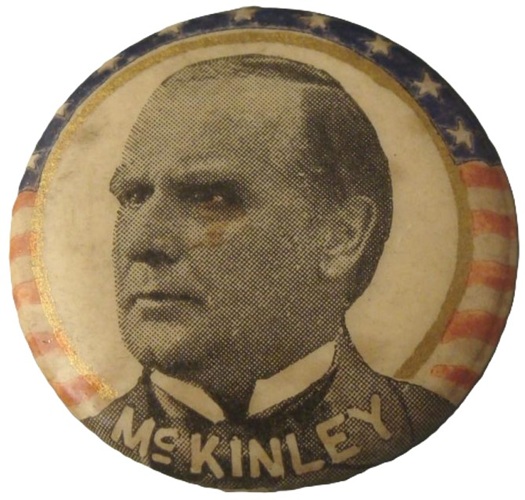
One of the primary reasons people are drawn to collecting buttons and pins is their historical significance. Political campaign buttons, for instance, have played an essential role in American elections since the late 19th century. The first mass-produced campaign buttons appeared during William McKinley’s 1896 presidential campaign, and they have since become a staple of political memorabilia. Owning a button from a significant election, such as John F. Kennedy’s 1960 campaign or Barack Obama’s 2008 run, offers a tangible link to pivotal moments in history. As historian John Bodnar notes, “Political memorabilia serves as a bridge between the public and private sphere, allowing individuals to engage with history in a personal way” (Bodnar, 1985).
Beyond politics, military buttons and pins also serve as artifacts of history. Military insignia from the American Civil War, World War I, and World War II are highly sought after by collectors. A Confederate officer’s button or a rare World War II paratrooper pin carries the weight of history, connecting the present with past conflicts and sacrifices. Collectors who study and acquire these items gain deeper knowledge of military history and heritage. Organizations like the American Society of Military Insignia Collectors (ASMIC), founded in 1937, further support this passion by providing resources and a community for enthusiasts.
Another compelling reason for collecting buttons and pins is the artistic and design appeal they offer. Enamel pins, for example, have surged in popularity in recent years due to their unique blend of art and fashion. Many independent artists create limited-edition pins, turning them into collectible works of art. The craftsmanship involved in designing a pin—whether hand-painted cloisonné enamel or die-struck metal—makes each piece a miniature canvas of creativity. Iconic brands like Disney, Hard Rock Café, and the Olympic Games have produced visually stunning pins that captivate collectors worldwide. The artistry behind these items ensures that they are not only nostalgic keepsakes but also valuable collectibles in their own right.
Nostalgia and personal connections also drive people to collect buttons and pins. Many collectors start with items that evoke childhood memories, such as pins from a favorite sports team, a beloved amusement park, or a cherished music band. For example, Disney pin trading, which began in 1999, has grown into a global phenomenon, with thousands of fans seeking to complete specific themed sets. The emotional attachment to these items makes them more than just material objects; they become symbols of personal history and treasured experiences.
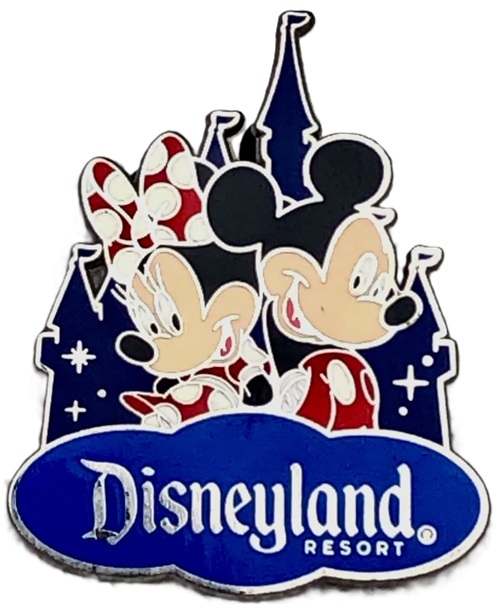
Moreover, collecting buttons and pins fosters a sense of community. Hobbyists often attend conventions, trade shows, and online forums where they can interact with like-minded individuals. The camaraderie among collectors is a significant aspect of the hobby, providing opportunities for networking, collaboration, and knowledge-sharing. Events like the National Button Society’s annual convention, which has been held since 1940, or Disney’s Pin Trading events, offer spaces where enthusiasts can exchange stories, trade duplicates, and forge friendships. Social media platforms have further expanded this community, allowing collectors to connect across borders and cultures.
Financial investment is another compelling reason to collect buttons and pins. While many begin their collections for sentimental reasons, some collectors recognize the potential for appreciation in value over time. Rare and historically significant buttons can command high prices at auctions. In 2019, a rare 1896 William McKinley and Garret Hobart campaign button sold for over $15,000 at auction, demonstrating the potential financial rewards of collecting. Similarly, certain enamel pins, especially those from limited-edition runs, can quickly become valuable. A rare Disney “Haunted Mansion” pin released in 2003 for $8.95 was later sold on the secondary market for over $500. Collecting can, therefore, be both a passion and a savvy investment.
Furthermore, collecting buttons and pins is an accessible and affordable hobby. Unlike some collectibles that require significant financial investment, buttons and pins can be found at flea markets, thrift stores, garage sales, and online marketplaces at relatively low prices. This makes it an appealing hobby for people of all ages and economic backgrounds. A collector can start with a few inexpensive pieces and gradually build a more substantial and valuable collection over time.
Beyond material and monetary value, collecting buttons and pins enhances cognitive skills. Researching the history of a particular button, verifying its authenticity, and categorizing pieces within a collection all involve critical thinking and analytical skills. According to psychologist Dr. David McRaney, “The act of collecting is deeply connected to memory, pattern recognition, and the pleasure of completion” (McRaney, 2011). This cognitive engagement makes collecting not only a pleasurable pastime but also a mentally stimulating activity.
The emotional satisfaction derived from collecting should not be overlooked. There is a unique thrill in discovering a rare pin or completing a long-sought-after set. The anticipation and reward cycle involved in the hobby can be deeply fulfilling, providing a sense of accomplishment and joy. As Sigmund Freud noted in his theory of the pleasure principle, “The pursuit of what is missing drives human behavior” (Freud, 1920). Collecting taps into this intrinsic motivation, making the search for new items an ongoing and satisfying endeavor.
Sustainability and environmental consciousness also play a role in why collecting buttons and pins is a meaningful hobby. Unlike disposable consumer goods, buttons and pins are durable and often repurposed. Vintage buttons, for example, can be salvaged from old clothing and given new life in collections or fashion projects. This reduces waste and promotes sustainability in a world increasingly concerned with environmental impact.
Collecting buttons and pins is also a way of preserving cultural heritage. Many items in collections reflect social movements, advertising trends, and historical moments that might otherwise be forgotten. For instance, protest buttons from the Civil Rights Movement of the 1960s, such as those bearing the slogan “I Am a Man,” serve as tangible reminders of social struggles and victories. Preserving these artifacts ensures that future generations can learn from and appreciate the past.
Ultimately, the motivations for collecting buttons and pins are as diverse as the collectors themselves. Whether driven by historical interest, artistic appreciation, social engagement, financial investment, or personal nostalgia, the hobby offers something for everyone. It is an activity that combines learning, creativity, and human connection, making it one of the most rewarding pursuits one can undertake. As Ralph Waldo Emerson famously said, “The creation of a thousand forests is in one acorn” (Emerson, 1841). In much the same way, a single button or pin can hold a world of meaning, making the act of collecting them a deeply enriching experience.
 thephantom.fan