
The Comics: An Illustrated History Of Comic Strip Art is a seminal work produced by The Newspaper Comics Council and written by renowned cartoonist Jerry Robinson, a legendary figure in the comic book industry best known as a key creator behind the Batman universe, particularly of The Joker and Robin. Drawing on his vast experience and deep appreciation for the medium, Robinson set out to create a comprehensive chronicle of the newspaper comic strip. The book is often praised as a foundational text in the academic and fan study of this art form, offering more than just historical details—it provides the perspective of a master practitioner.
The work serves as a detailed historical overview, tracing the evolution of comic strips from their late 19th-century origins up to the mid-20th century. Robinson meticulously explores the development of sequential art storytelling, examining the creators, the groundbreaking strips themselves, and the immense cultural impact they had on American society. Unlike histories focused solely on comic books, this volume places the emphasis squarely on the newspaper strip, which paved the way for the later comic book industry.
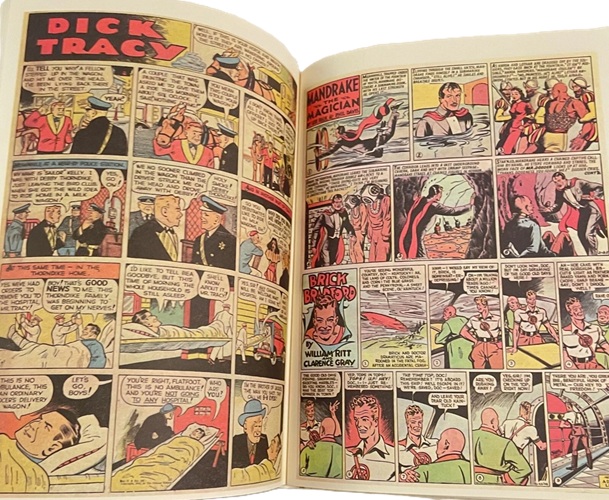
The book is rich with high-quality reproductions and examples of the comic strips discussed, transforming the text into a valuable visual archive and reference. By combining detailed analysis with visual evidence, Robinson created a definitive resource that is as beautiful to look at as it is informative to read. It captures the essential role that comic strip art played in shaping both popular culture and the artistic language of comics.
The Comics: An Illustrated History Of Comic Strip Art includes an article about Lee Falk titled “A New Medium for Writers”. This article was later reprinted in a book about Falk in 2011. Jerry Robinson noted that he gained support from “others in the field, like Lee Falk and so forth”, when working to get press coverage for cartoonists. This suggests Falk was a supportive figure within the community whose influence Robinson leveraged.
Hardcover Edition – 1972
The earliest confirmed publication of the book appears to be in late 1972. It was released under the Penguin Publishing Group. This edition established the iconic format of the book.
- Publisher: Penguin Publishing Group
- Page Count: 256 pages. This page count includes the extensive black-and-white illustrations and a section of color plates (“A Cavalcade of Color”) that showcases key strips.
- Dimensions: It is an oversized “coffee-table” style book, typically measuring 30.5cm x 23.5cm.
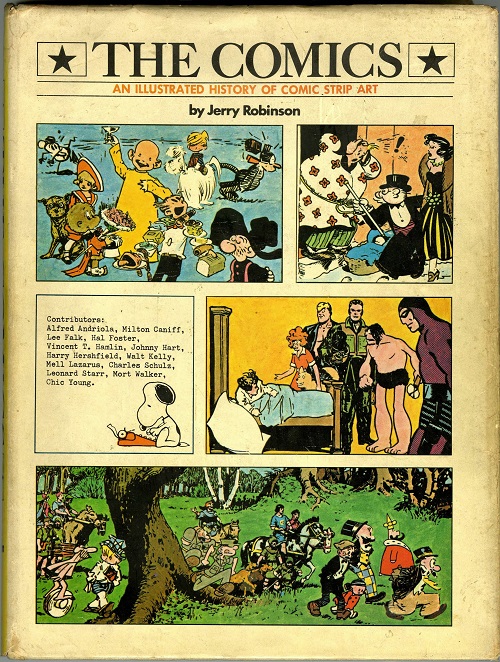
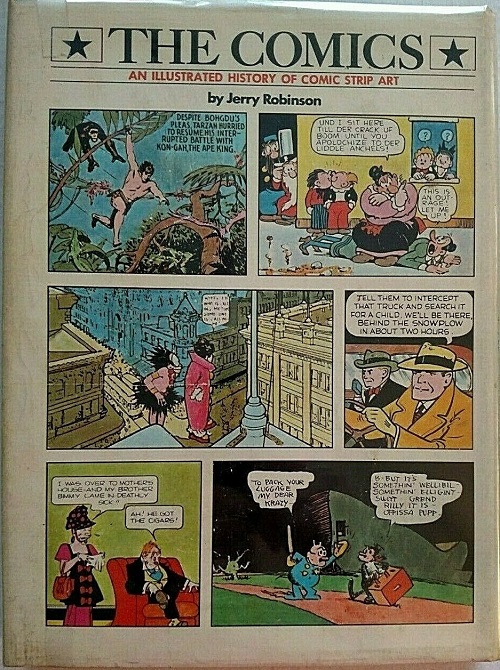
Hardcover Edition – 1974
The book is most frequently and widely associated with its 1974 hardcover release, which is often considered the definitive First Edition for many collectors, even though the 1972 is sometimes tied to the same title. It was a major publication by a prominent house.
- Publisher: G. P. Putnam’s Sons
- Page Count: 256 pages. The book maintains the same extensive content and layout as the earlier printing.
- Dimensions: Similar to the 1972 version, it is an oversized hardcover, typically measuring 30.5cm x 23.5cm.
Paperback Edition – 1976
A mass-market paperback release was published shortly after the initial hardcover run, making the seminal work more accessible to a wider audience. This edition is cited as a softback reprint of the 1974 hardcover version.
- Publisher: Berkley Publishing Corporation (or Berkley Books)
- Page Count: This edition typically maintained the 256-page count of the original content.
- Dimensions: While it remained an oversized book to accommodate the art, its dimensions were often slightly reduced compared to the large, expensive hardcover, but maintained the horizontal-to-vertical ratio suitable for displaying strips.


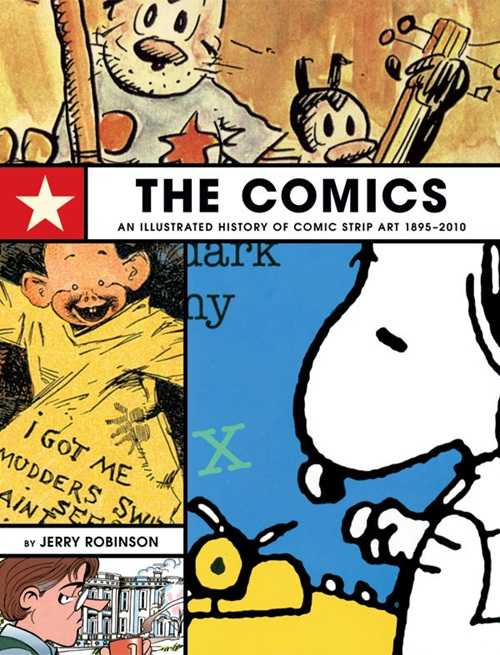
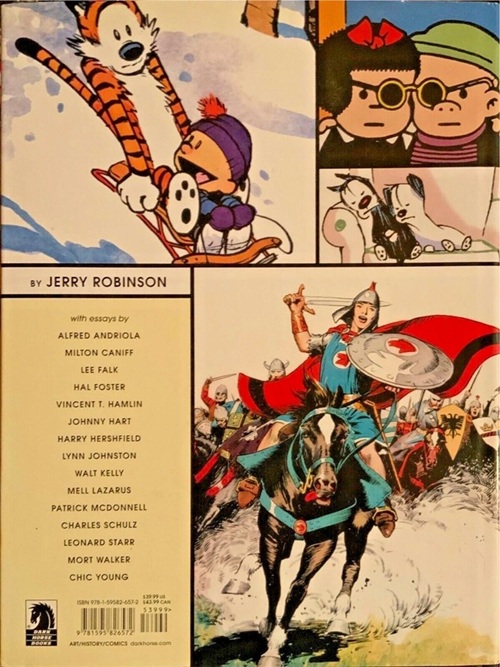
Revised & Updated Edition – 2011
A much more recent and comprehensive edition was published by Dark Horse Books, which brought Robinson’s history up-to-date, covering decades of comic strip development that occurred after the original 1972 publication.
- Publisher: Dark Horse Books
- Format: Hardcover (and likely later softcover).
- Page Count: This revised version is significantly longer, containing approximately 394 pages. The increased page count reflects the updated content added by Robinson to cover new strips and trends from the mid-1970s through the early 21st century.
- Dimensions: 31.24cm x 23.62cm
- Differences: This edition is a fully reworked and updated book that chronicles the origins of the strip through to the modern era of the 2010s, ensuring the “Illustrated History” remained current.
A sample of internal pages can be seen below.


 thephantom.fan