
Luiz Fernando Guimarães (also known as Lutz), born on the 24th of January 1924, in Brazil, was a prominent artist whose contributions significantly impacted the Brazilian comic book scene in the mid-20th century. Initially pursuing studies in architecture, Guimarães chose to leave academia to follow his passion for art, a decision that would lead him to become a celebrated figure in the world of comic book illustration.
In the 1950s, Guimarães became an active cover artist, collaborating extensively with Rio Gráfica Editora (RGE), a leading Brazilian publishing house. His work primarily involved creating cover art for various comic book series, showcasing his versatility and artistic prowess. Among the notable series he contributed to were Black Rider and Texas Kid, both of which were popular titles during that era.
One of Guimarães’s most significant contributions was to ‘Fantasma’, the Brazilian adaptation of the Phantom, a globally renowned comic strip character created by Lee Falk. RGE began publishing Fantasma in 1953, marking the first regular serialized Phantom comic in Brazil. The series enjoyed a remarkable publishing run of 33 years, with 371 issues published between March 1953 and October 1986. Guimarães played a crucial role in shaping the visual identity of this series through his distinctive cover art.
He illustrated 20 of the initial 24 front covers when the series was originally launched by RGE, including edition number 1, which has become an iconic and instantly recognizable front cover, particularly among fans of the Phantom in Brazil. The first three editions in the series, all illustrated by Guimarães, are presented below.
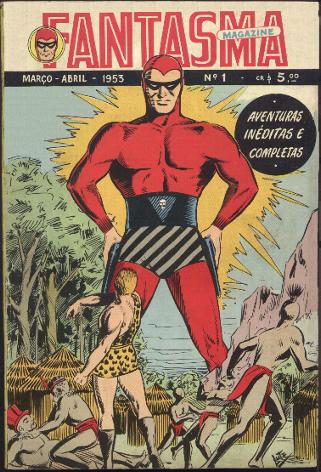


Throughout his tenure with Fantasma, Guimarães crafted numerous covers (a total of 20) that captured the essence of the Phantom’s adventures. His artistic style was characterized by dynamic compositions and a keen attention to detail, bringing to life the mysterious and action-packed world of the Ghost Who Walks.
In addition to his work with RGE, he previously illustrated front covers for ‘Novo O Globo Juvenil’. a magazine that featured a variety of comic stories and was popular among younger audiences. Guimarães art first appears on the front cover of edition number 1998 published in 1950, going on to illustrate a total of 9 front covers in the series. His contributions to this magazine further showcased his ability to adapt his style to different genres and themes, appealing to a broad readership.
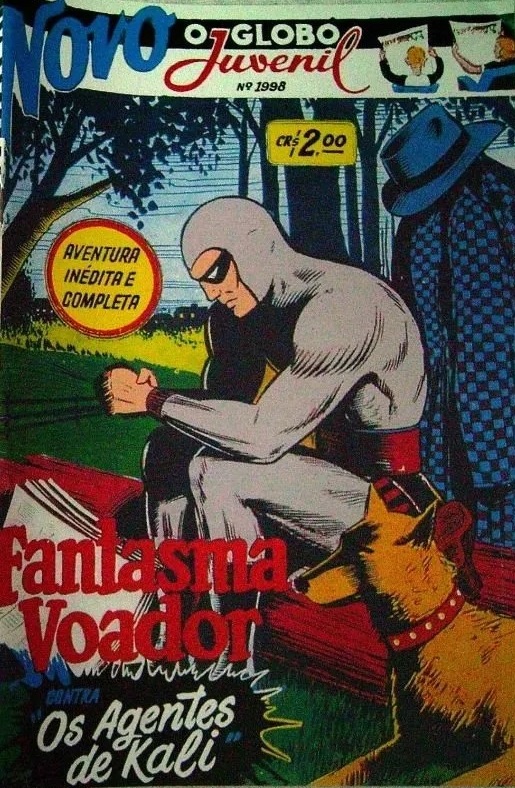


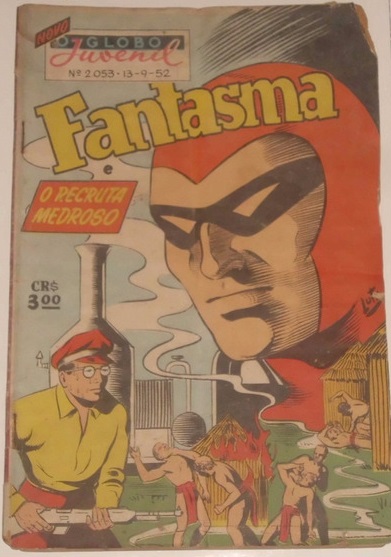
Guimarães’s artistic style was marked by a blend of realism and dynamic action, capturing the adventurous spirit of the stories he illustrated. His compositions often featured bold lines and meticulous detailing, bringing characters and scenes to life with a sense of movement and energy. This approach resonated with readers and established him as a prominent figure in Brazilian comic art.
Guimarães work also appears on the covers of ‘Almanaque de O Globo Juvenil’, a prominent Brazilian comic book series published by O Globo between 1941 and 1963. Serving as annual Christmas specials, these almanacs were spin-offs from the ‘Gibi’ series, another popular publication by O Globo. Each edition was released in December, with the cover indicating the upcoming year.
The almanacs featured a diverse array of complete stories, showcasing characters such as Prince Valiant, Flash Gordon, Alley Oop, the Phantom and Mandrake the Magician. These editions were known for their high-quality production, often presented in a larger format with both black-and-white and color pages. The cover art of these almanacs was notable, with contributions from artists like Luiz Fernando Guimarães and Domingos Cervera. Their illustrations played a significant role in attracting readers and enhancing the visual appeal of the publications.
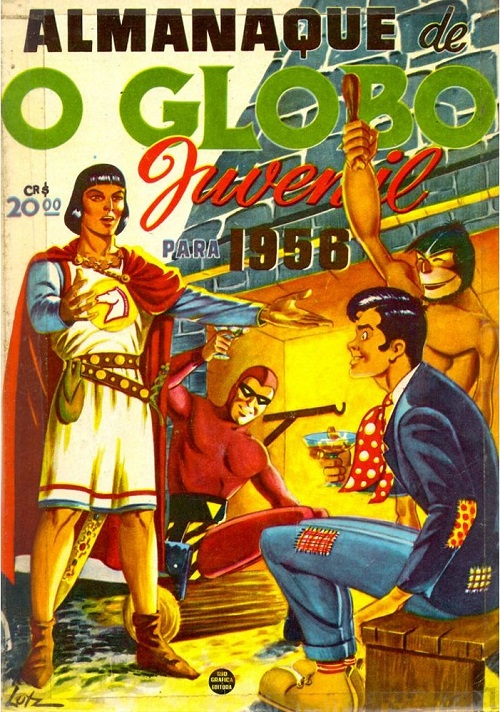

Beyond his work with RGE, Guimarães’s influence extended to other areas of Brazilian popular culture. His illustrations graced various publications, contributing to the visual landscape of mid-20th-century Brazil. His ability to capture the essence of diverse narratives made him a sought-after artist in the publishing industry.
Luiz Fernando Guimarães passed away on the 25th of May 1995, leaving behind a legacy that continues to be celebrated by comic enthusiasts and art historians alike. His contributions to the Brazilian comic book industry, particularly his work on Fantasma comic book series remain a testament to his artistic talent and dedication to his craft. Through his evocative illustrations, Guimarães not only entertained readers but also played a pivotal role in shaping the visual narrative of Brazilian comics during a formative period in their history.
In retrospect, Guimarães’s decision to pursue art over architecture led to a prolific career that enriched Brazilian popular culture. His work continues to inspire contemporary artists and serves as a benchmark for excellence in comic book illustration. As new generations discover his art, Luiz Fernando Guimarães’s legacy endures, cementing his place as a luminary in the annals of comic book history.
 thephantom.fan