
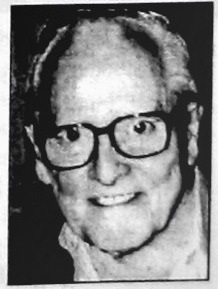
George Davis Wilson, Jr. (2 August 1921 – 7 December 1998) was born in Buffalo, New York, USA, highly regarded for his prolific realistic painted artwork (oils and acrylics) found on the covers of mainly non-superhero themed comic books and paperback story books.
At the age of 16, he know he wanted to be an artist, growing up reading Big Little Books, taking a liking to art by Flash Gordon artist, Alex Raymond.
Wilson was educated at both the Richmond Art School and the Pratt Institute, studying at each for 2 years. After he serviced in Normandy during World War II in Engineering/Camouflage, he worked as a freelance commercial illustrator for most of his life, for advertising agencies and for publishing houses like Western Publications, Bombay Boomerang, Jove, Avon and Harlequin Books from the 1940s thru till the 1990s.
Bring a style of painting action scenes with a realistic look and feel, Wilson painted hundreds of covers predominantly for Dell Comics and Gold Key publications owned by Western Publishing Company Inc from the 1950s thru to the 1970s. His painted work typically depicted the hero in question battling a foe, which included humans, robots, dinosaurs, ghosts, aliens and more.
He only worked on painting covers of publications and not on internal illustrations, presenting a unique style when compared to other work from the same period. Wilson drifted away from the traditional black border with filled-in solid color illustrations, painting scenes with a more realistic and high detailed believable look.
The myriad of series Wilson worked on include multiple Tarzan series, War Stories Combat, Doctor Solar – Man of the Atom, The Time Tunnel, The Twilight Zone, Magnus – Robot Fighter, Doctor Spektor, Boris Karloff Tales of Mystery, Voyage to the Bottom of the Sea, Mighty Samson, Dinosaurus!, Ripley’s Believe It or Not!, Star Trek, Dark Shadows, Space Family Robinson, Space Family Robinson Lost in Space and many more.
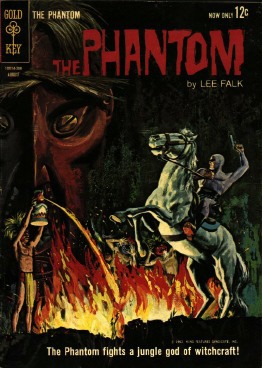
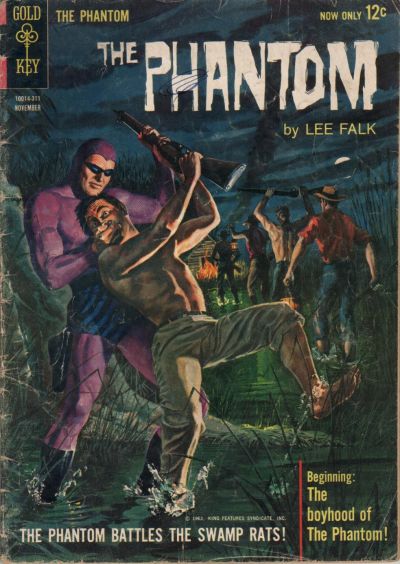
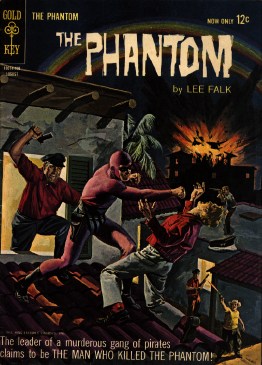
Wilson also worked on a couple of series featuring the Phantom. His work appears on the Gold Key comic book series published in the USA from 1962 thru till 1966 on 17 editions. These editions can be seen below.





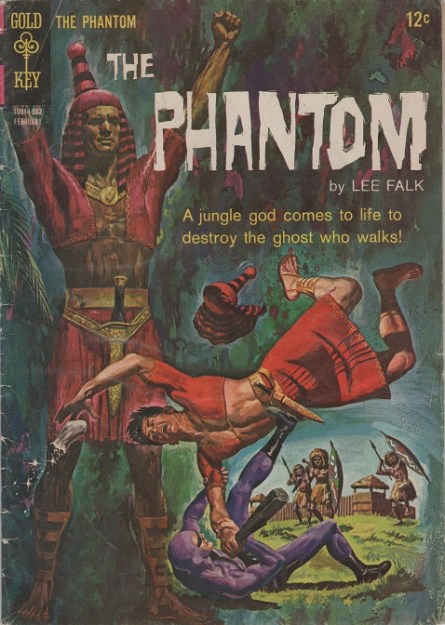

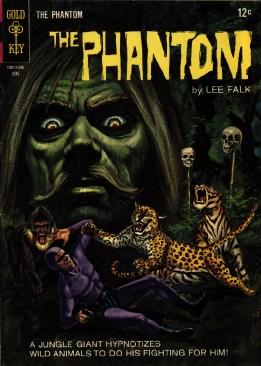


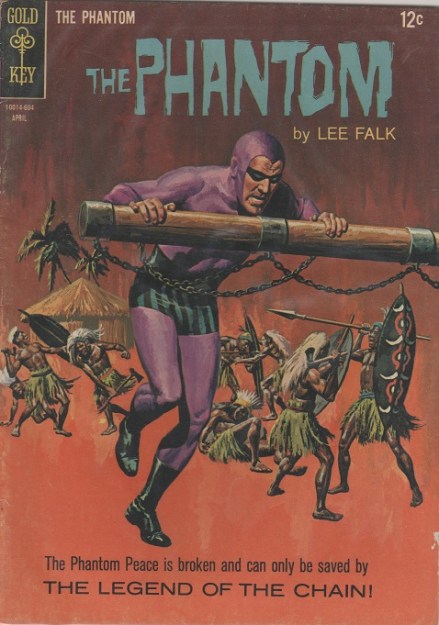
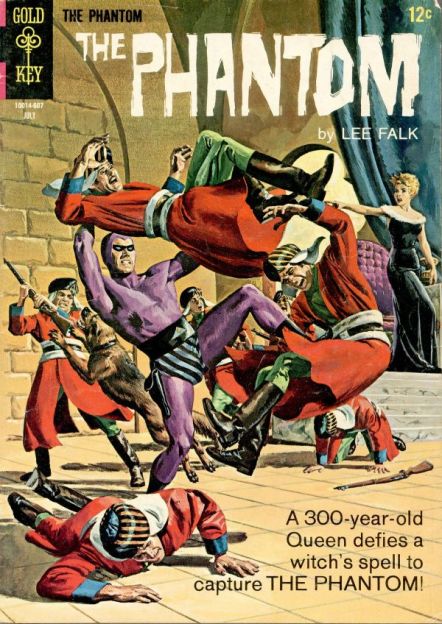
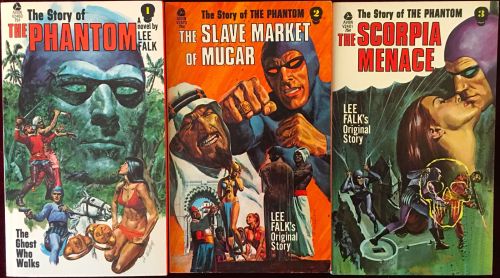
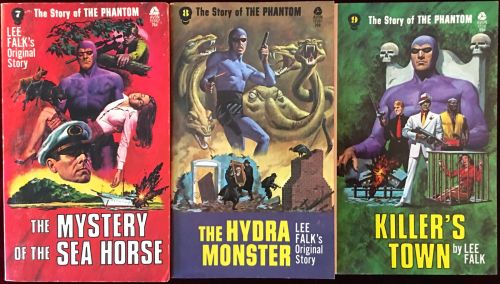
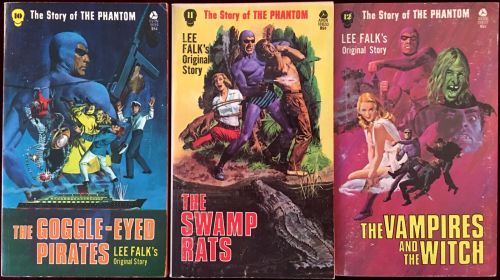
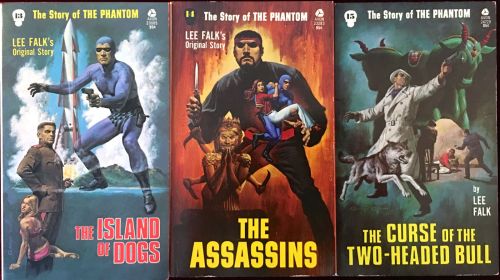
Wilson also pained the covers appearing on the paperback story book series by Avon Publications in the USA from 1972 thru till 1975 on 15 editions. These editions can be seen below.

Wilson is also know for using human models for creating the right pose for his artwork, using photos as his source at getting the look right. He also illustrated himself into some of his creations. Below we see the original artwork for Phantom comic cover number 8 published by Gold Key in USA in August 1964. Wilson depicts himself as the villain exiting a window about to strike the Phantom with the butt of a pistol.
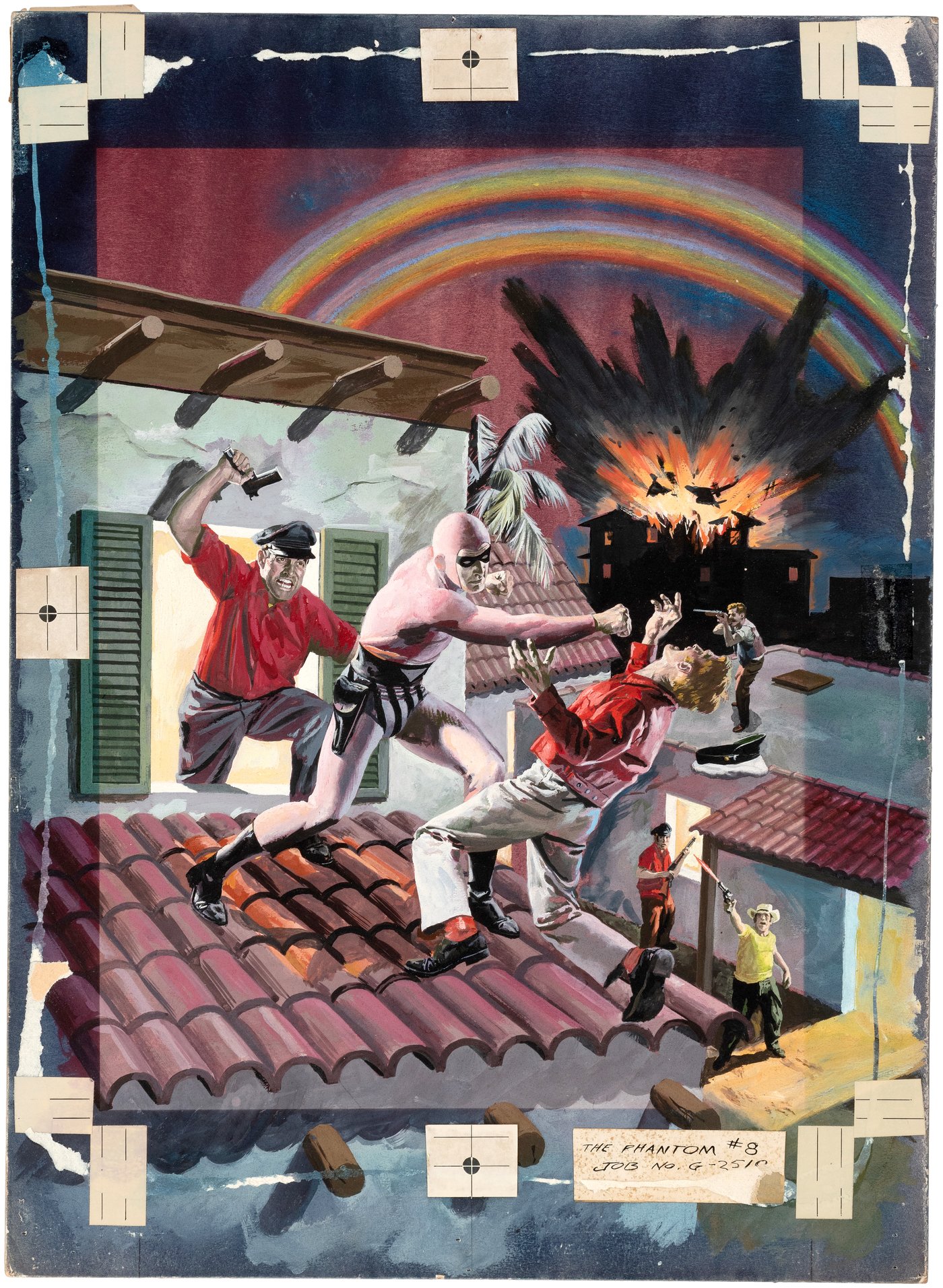
Wilsons work continues to be appreciated for it’s style, creativity and workmanship as time goes by. As he didn’t sign his work with his name on many of his pieces, he went unnoticed as the artist of such a great massive body of work for a large period of time. His iconic work is becoming more and more appreciated as time goes by, cementing his place as one of the great cover artists of his time.
 thephantom.fan