
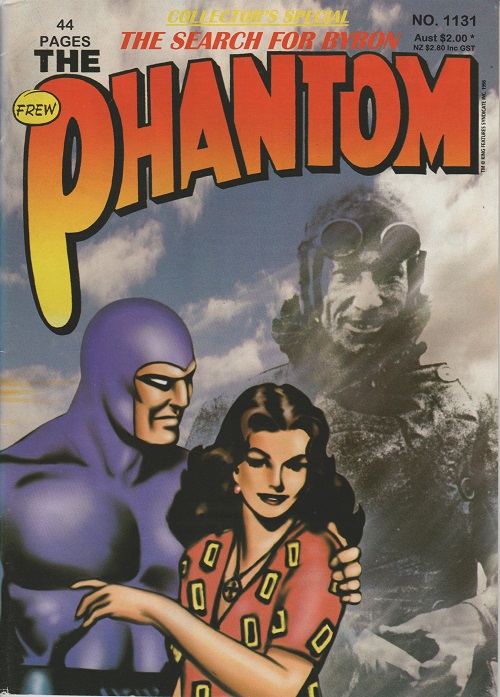
International Women’s Day (IWD), observed annually on the 8th of March, is a global day celebrating the social, economic, cultural, and political achievements of women. It also marks a call to action for accelerating gender equality.
Diana Palmer, a central figure in the lore of the Phantom, has stood the test of time as one of the most enduring and multifaceted characters in Phantom storylines. As the lifelong partner of the Phantom, also known as the Ghost Who Walks, Diana is not simply a romantic counterpart but a dynamic individual whose strength, intelligence, and independence have made her an essential part of the Phantoms mythos. Her evolution from an adventurous socialite to a steadfast ally and equal partner highlights her unique role in shaping the world of the Phantom, both as a character in her own right and as a symbol of partnership and empowerment.
Diana was first introduced in the Phantom’s inaugural strip in 1936, created by Lee Falk. She entered the story as a spirited young woman from New York, embodying the energy and charisma of a high-society figure who longed for adventure beyond the confines of her privileged life.
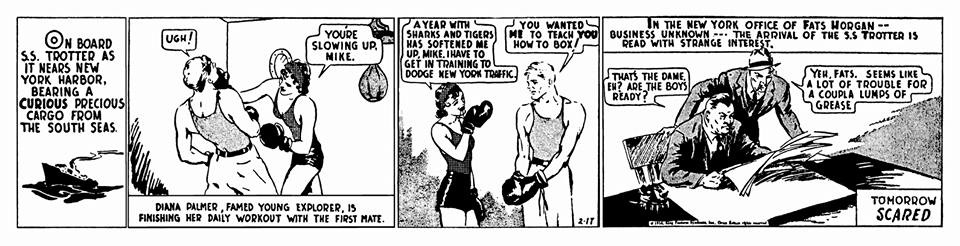
Her initial encounter with Kit Walker, the future Phantom, was the beginning of a partnership rooted in mutual respect and admiration. Unlike many female characters of her era, Diana was portrayed as someone with her own ambitions and agency. Her intelligence, courage, and resourcefulness quickly made her an integral part of the Phantom’s early escapades, setting her apart from the archetypal damsel in distress.
Throughout the decades, Diana’s character developed in tandem with the Phantom’s, reflecting changing societal norms and attitudes toward women’s roles. Her independent streak was evident in her early life, where she excelled as an Olympic swimmer, a feat that demonstrated her physical prowess and discipline. This accomplishment established her as a role model, showing that women could succeed in traditionally male-dominated arenas.

Diana’s relationship with Kit Walker, the man behind the mask of the Phantom, was always portrayed as a partnership of equals. Their romance was built on shared values and a deep understanding of each other’s worlds. Unlike many comic book relationships, where the female character often plays a secondary role, Diana was fully aware of the dangers and responsibilities that came with being the Phantom’s partner. She embraced this life not out of obligation but as a conscious choice, demonstrating her strength and resilience. Their eventual marriage in 1977 marked a significant milestone in the series, solidifying Diana’s place as both a partner in the Phantom’s mission and a vital part of his personal life.
As the mother of Kit and Heloise, the next generation of the Phantom legacy, Diana’s role expanded further. Her journey into motherhood added new layers to her character, blending her nurturing instincts with her unyielding strength. She balanced the demands of raising a family with the complexities of supporting the Phantom in his dual role as a protector of Bangalla and the guardian of the Deep Woods. Diana’s ability to navigate these responsibilities showcased her adaptability and underscored her importance in maintaining the balance between the Phantom’s personal and heroic duties.
Diana’s connection to Bangalla, the fictional nation where the Phantom resides, is another key aspect of her character. Her involvement in the region’s affairs extended beyond her role as the Phantom’s wife. Diana became an advocate for justice and a respected figure among the people of Bangalla. Her intelligence and compassion allowed her to bridge the gap between the modern world and the traditions of Bangalla’s diverse communities. Whether negotiating with tribal leaders, aiding in humanitarian efforts, or supporting the Phantom’s mission to protect the innocent, Diana’s contributions were invaluable.
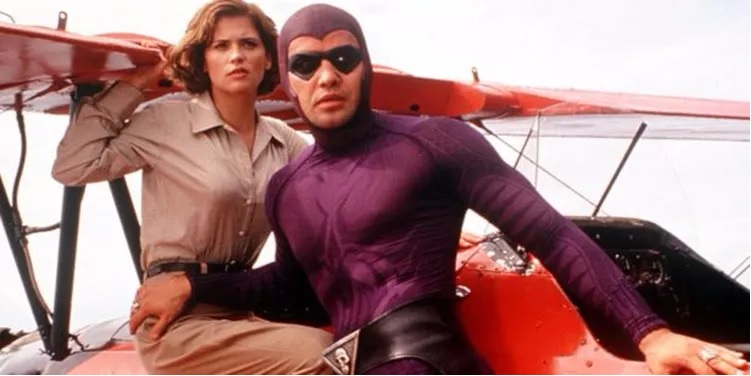
Despite her close association with the Phantom, Diana frequently demonstrated her independence through her own adventures and challenges. Numerous storylines have placed her in situations where she relied on her courage and resourcefulness to overcome adversity. Whether escaping kidnappers, surviving treacherous environments, or outsmarting villains, Diana consistently proved that she was more than capable of handling herself. These moments highlighted her ability to thrive even when separated from the Phantom, reinforcing her identity as a strong, self-reliant character.
Diana’s role in the Phantom also serves as a reflection of evolving attitudes toward women in media and society. When she first appeared, female characters in comics were often relegated to secondary roles, existing primarily to support the male protagonist. Diana, however, broke this mold by maintaining her own ambitions and agency. Over the years, she became a symbol of empowerment, inspiring readers with her blend of strength, intelligence, and compassion. Her ability to balance her independence with her partnership with the Phantom challenged traditional notions of gender roles, making her a progressive and relatable figure for audiences.
In celebrating Diana Palmer, we recognize a character who is not only integral to the mythology of the Phantom but also a symbol of empowerment and resilience. Her journey from a spirited young woman to a respected partner, mother, and humanitarian reflects the enduring appeal of a character who has remained relevant and inspiring across generations. As the Phantom’s adventures continue, Diana’s role as an independent and equal partner ensures readers will continue to draw inspiration from her exploits, worth recognizing on International Women’s Day.
Discover more from
Subscribe to get the latest posts sent to your email.
 thephantom.fan