

The Phantom, a masked crimefighter created by Lee Falk in 1936, has a unique legacy that extends far beyond his American origins. Unlike many other comic heroes who became global phenomena due to movies and television, the Phantom achieved widespread recognition through the power of print media, particularly comic strips, comic books, and pulp magazines. As a result, different countries developed their own traditions and stories surrounding the character, each infusing him with cultural nuances that made him uniquely theirs.
In Sweden, the Phantom, known as ‘Fantomen’, enjoys a fanbase that surpasses even his popularity in the United States. The Swedish publisher Semic (later Egmont) began producing original stories in 1963, expanding the lore beyond what was available in the original American comics. These Swedish tales introduced intricate narratives, complex villains, and an extended cast of supporting characters, shaping the Phantom into a more nuanced hero for Scandinavian audiences. The tradition of original Swedish Phantom stories continues to this day, with dedicated readers treating each new issue as an eagerly awaited event. The deep-rooted love for the Phantom in Sweden also led to conventions, fan clubs, and even dedicated merchandise that is often unavailable elsewhere.


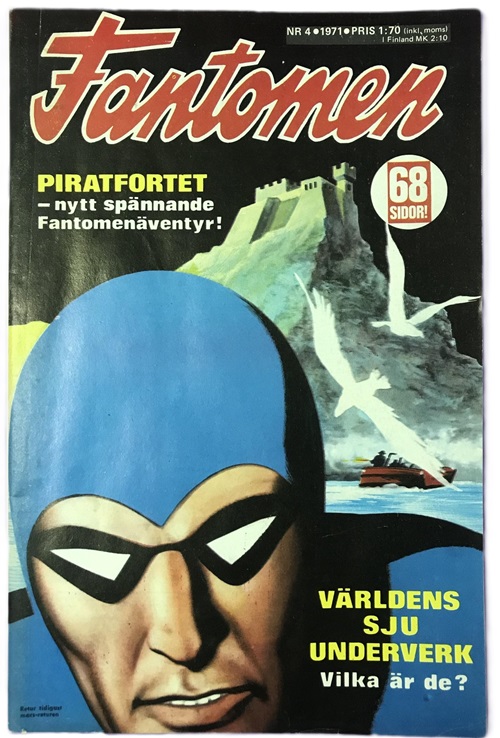

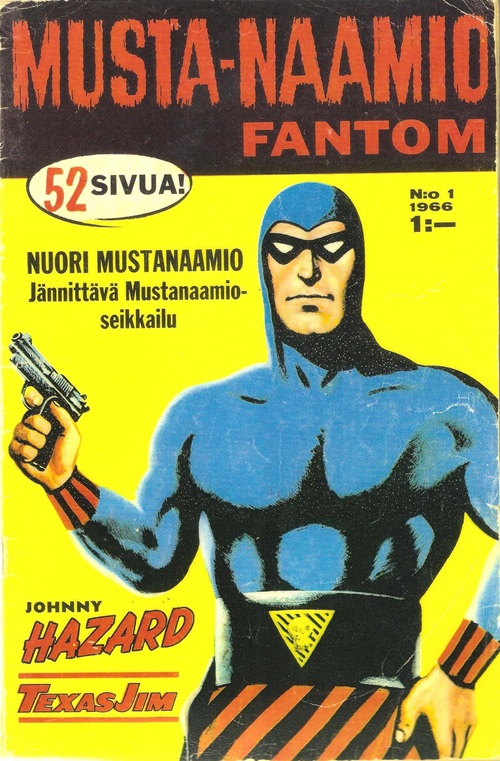
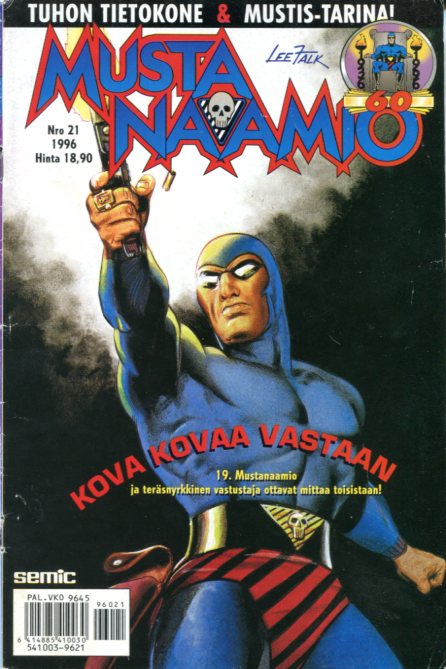
Norway and Finland share a similar enthusiasm, with ‘Fantomet’ and ‘Mustanaamio maintaining a consistent presence in comic book stores and magazine racks. The Scandinavian countries often collaborate in Phantom storytelling, with artists and writers from Norway and Finland contributing to the rich tapestry of narratives. Finnish fans, in particular, embrace the character’s connection to the mythology of jungle spirits and tribal justice, themes that resonate deeply with their folklore. The popularity of the Phantom in these countries is evident in the way the comics have been passed down through generations, with parents introducing their children to the hero’s adventures just as their own parents once did.


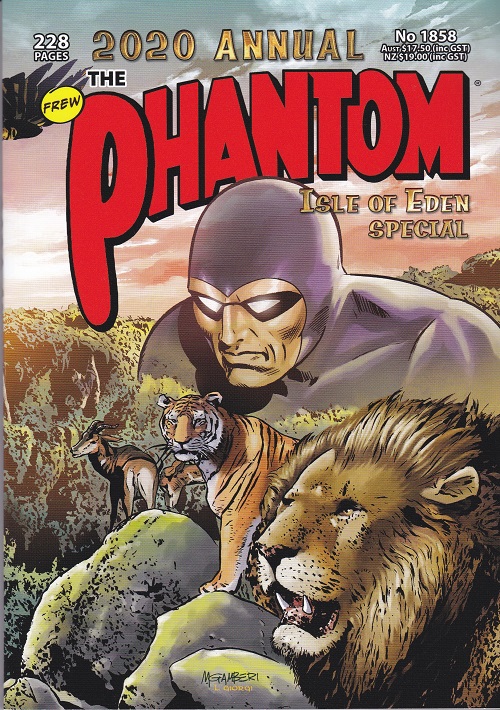
Australia holds a special place in Phantom history. Published by Frew Publications since 1948, the Phantom has enjoyed an uninterrupted run in Australia, making it one of the longest-running comic book series in the country. The distinct black-and-white issues, printed on newsprint, have become a hallmark of Australian Phantom culture, with fans cherishing each issue as a collector’s item. Australians celebrate the Phantom’s legacy through fan meet-ups, forums, and even the occasional convention, where collectors trade rare editions, art and memorabilia.



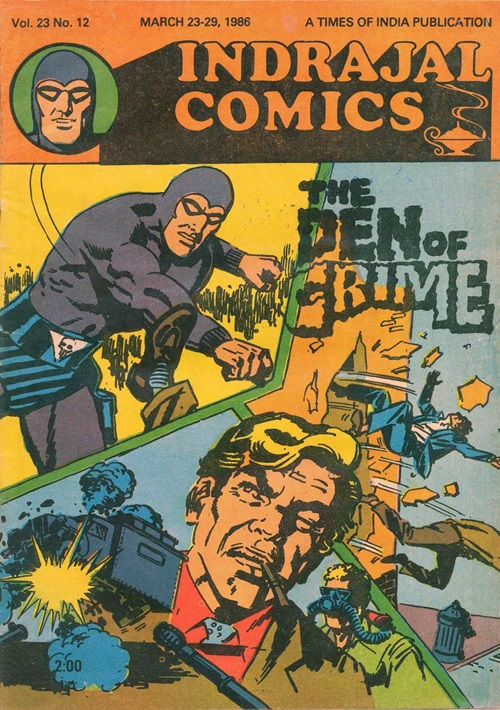
India presents one of the most vibrant and unique Phantom fan cultures. The character, known locally as ‘Vetaal’, was introduced through Indrajal Comics, published by The Times of India in 1964. The comics quickly became a massive success, appealing to readers across different linguistic backgrounds, as they were printed in Hindi, Bengali, Tamil, and several other Indian languages. The Phantom’s unwavering sense of justice and his mystical aura resonated with Indian audiences, who often drew parallels between him and figures from their own mythology. Even after Indrajal Comics ceased publication in the 1990s, the love for the Phantom did not wane. Fans continue to seek out old issues, and some even produce independent reprints or translated versions to keep the legacy alive.


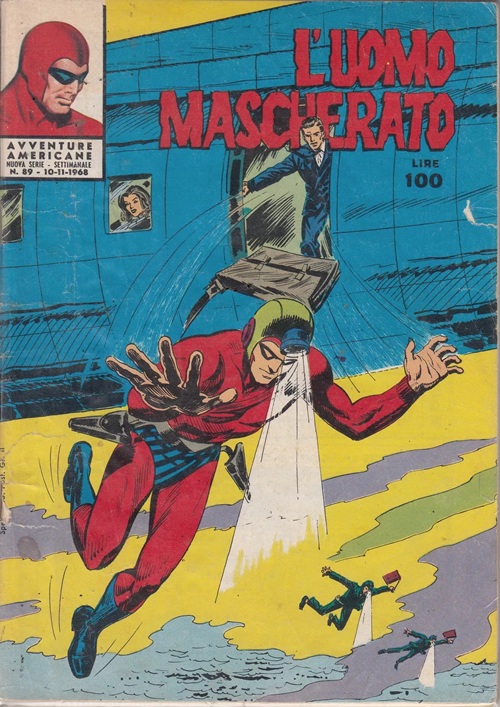
Italy has its own distinct Phantom fandom, largely thanks to Fratelli Spada, which published Italian Phantom stories for decades. Italian artists and writers infused the character with a more dynamic, cinematic storytelling approach, sometimes experimenting with noir elements that enhanced his enigmatic persona. Italy’s deep-rooted tradition of graphic storytelling allowed the Phantom to thrive alongside other legendary Italian comic characters. Collectors in Italy still treasure vintage issues, and the character occasionally makes appearances in specialized comic festivals.



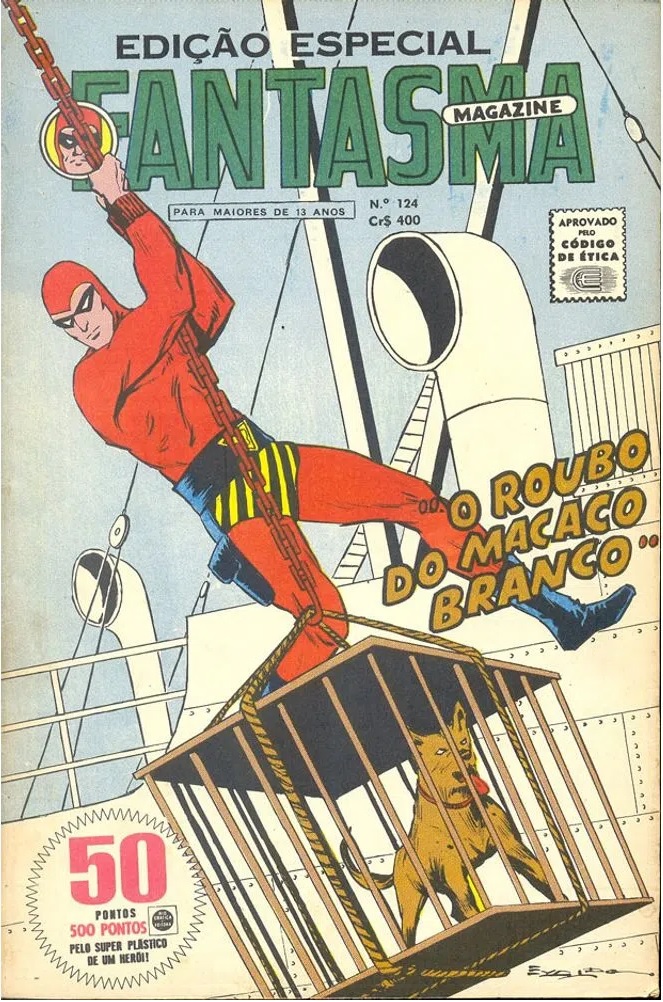
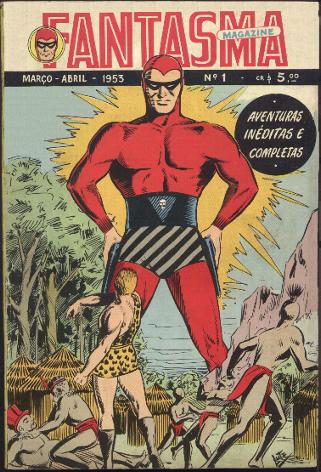
Brazil boasts a passionate Phantom fanbase, dating back to the 1930s when the comic strips first appeared in newspapers. The Brazilian publication of the Phantom, or ‘Fantasma’, became particularly popular through RGE (Rio Gráfica Editora), which printed localized versions that sometimes deviated from the original stories. These adaptations made the Phantom more accessible to Brazilian readers, leading to a devoted following that has persisted through different publishing shifts. Even today, Brazilian collectors hunt for rare issues, and online forums buzz with discussions about the character’s impact on their childhoods.


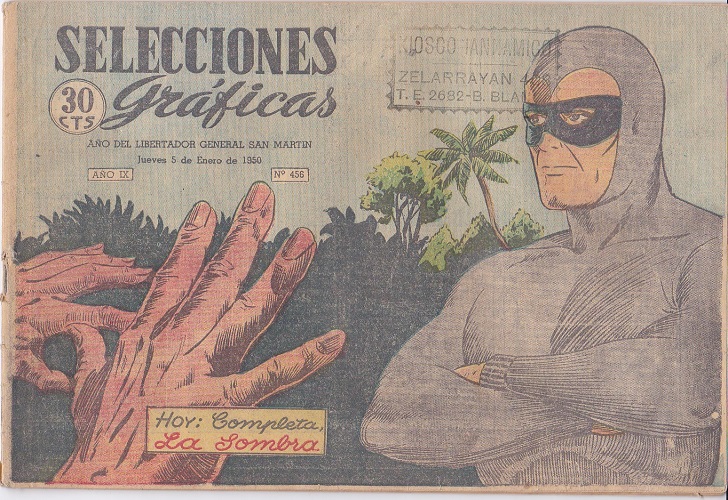
Argentina, another stronghold of Phantom enthusiasm, saw the character published in various formats, including serialized adventures in magazines. The deep storytelling traditions of Argentine comics meshed well with the Phantom’s mythos, resulting in a sustained and loyal readership. Some of Argentina’s most revered comic book historians have analyzed the Phantom’s impact on the country’s comic culture, placing him alongside legendary homegrown heroes like El Eternauta.

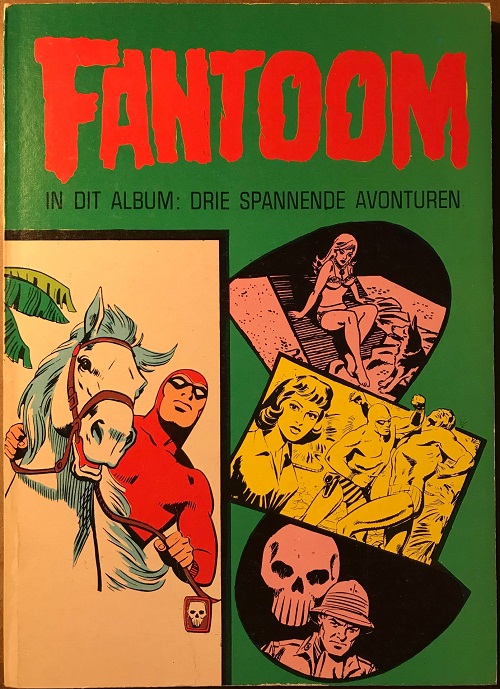
In the Netherlands, the Phantom, or ‘De Fantoom’, maintained a presence for many years, with Dutch publishers occasionally localizing the stories to fit regional sensibilities. While the Phantom’s popularity in the Netherlands may not be as overwhelming as in Sweden or Australia, a dedicated core of collectors and enthusiasts still ensure that the character remains a topic of interest in Dutch comic discussions.


Germany’s relationship with the Phantom has seen its ups and downs. The character has been published in various formats over the years, with different publishers attempting to find the right formula for German audiences. Some adaptations leaned heavily into the adventure aspects, while others emphasized the hero’s detective skills. Phantom comic books are presently being published by an array of publishers in Germany, including Zauberstern Comics, Wick Comics, Zack Editions, Cult Comics and ERC-Verlag.


The United Kingdom, despite being home to many legendary comic book heroes of its own, has seen inconsistent series featuring the Phantom. British publishers periodically released localized versions of the comics, and the character enjoyed a brief but memorable presence in British pop culture. Publishers such as Alan Class, L. Miller & Sons Ltd. and Wolf Publishing ran short-lived series in the UK, comic books which have now become essential additions to Phantom collections.


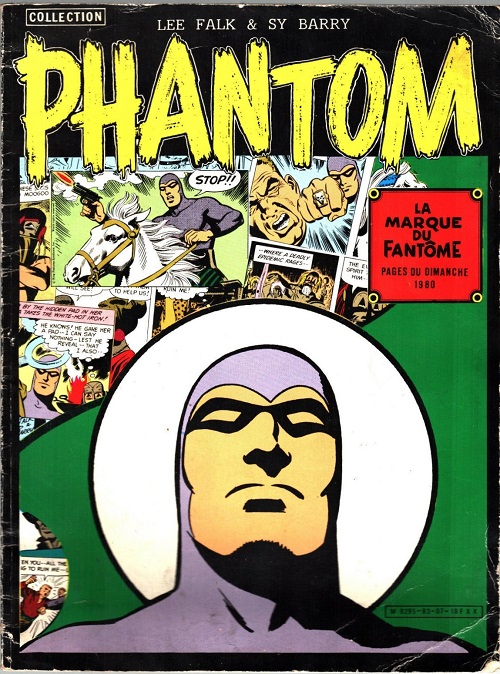
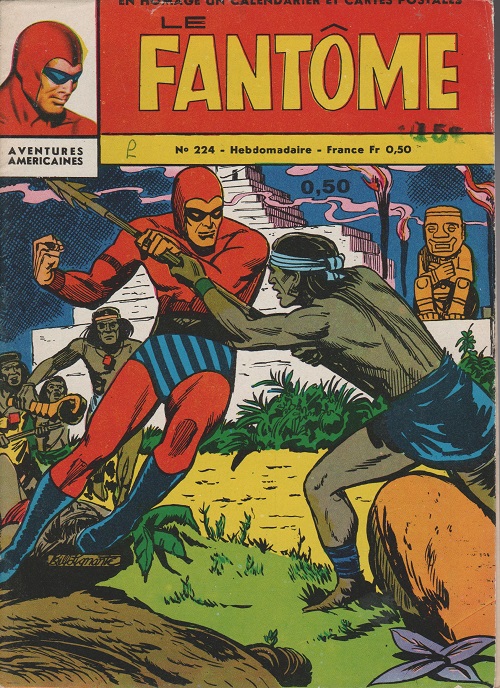
Even in countries where the Phantom did not reach mainstream success, he still left a mark on smaller but dedicated groups of fans. In France, for example, the character never quite achieved the level of popularity enjoyed by native heroes like Asterix or Tintin, yet he remained an intriguing figure among those who sought out foreign adventure comics. Likewise, in Spain, the Phantom carved out a niche following among collectors who appreciated his serialized newspaper stories.


The Phantom’s global fandom is a testament to the character’s timeless appeal. His status as The Ghost Who Walks, an immortal protector of justice, resonates across cultures, often taking on new meanings depending on the country. In some places, he is seen as a folk hero; in others, a pulp adventurer; and in others still, a symbol of unwavering justice. The shared love for the Phantom connects fans from vastly different backgrounds, proving that great storytelling transcends borders. Whether in Scandinavia, Australia, India, or South America, the Phantom’s legend continues to thrive, carried forward by passionate readers who refuse to let The Ghost Who Walks fade into obscurity.
Discover more from
Subscribe to get the latest posts sent to your email.
 thephantom.fan