
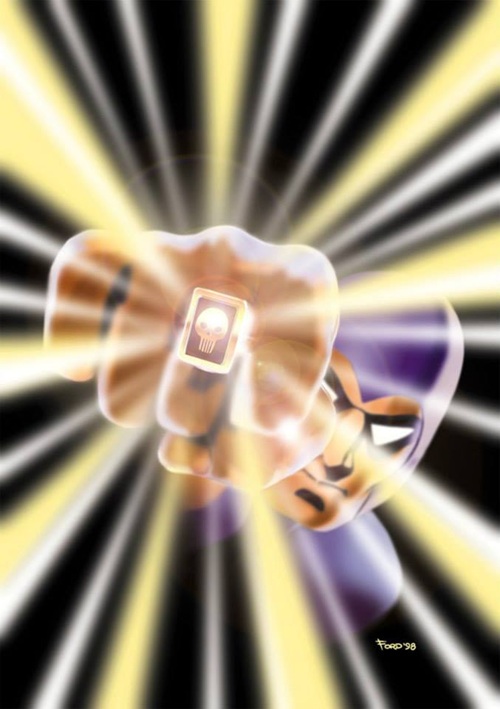
The Phantom, also known as The Ghost Who Walks, has captivated readers since his debut in 1936. Created by Lee Falk, he stands as one of the first comic book heroes in comic history, predating even Superman and Batman. Over the decades, the Phantom has remained a symbol of justice, resilience, and morality, transcending the medium of comics to become a cultural icon in various parts of the world. His enduring appeal lies not only in his adventurous stories but also in the deeper symbolism embedded in his character, his environment, and the mythology surrounding him. Understanding this symbolism reveals why the Phantom has remained relevant and iconic for nearly a century.
At the heart of the Phantom’s symbolism is his immortality—or at least the illusion of it. Known as The Man Who Cannot Die, the Phantom is actually a lineage of men who have taken on the mantle, each succeeding his predecessor after death. This clever narrative device allows the character to appear eternal, an unbroken chain of justice stretching across generations. This concept resonates deeply with readers, as it speaks to the enduring nature of justice and the idea that ideals can outlast individuals. It also sets the Phantom apart from other superheroes, whose identities are typically tied to a single person. Instead, the Phantom is a legacy, a living testament to the idea that the fight for good is timeless and unending.
The Phantom’s costume further reinforces his iconic status. Unlike the flashy, brightly colored outfits of other superheroes, the Phantom’s suit is a simple yet striking purple, paired with a black mask and a skull emblem on his belt. The color choice is symbolic: purple has historically been associated with royalty, dignity, and mystery. It gives the Phantom an aura of authority and reverence, qualities essential to his role as both a protector and a mythic figure. His mask, which hides his eyes completely, contributes to his otherworldly presence. By obscuring his gaze, he becomes inscrutable, enhancing the perception that he is not entirely human but something greater—a spirit, a legend, an unrelenting force for good.
The Phantom’s dual identity also carries profound symbolic weight. By day, he is Kit Walker, a seemingly ordinary man with human vulnerabilities and relationships. By night, he transforms into the Phantom, a near-mythic figure capable of striking fear into the hearts of criminals. This duality reflects a universal human struggle: the balance between our ordinary selves and the ideals we aspire to embody. The Phantom’s ability to navigate these two worlds demonstrates that greatness is not about abandoning humanity but embracing it while striving for higher principles.
His base of operations, the Skull Cave, is equally iconic and rich in symbolism. Located deep within the jungles of Bangalla, the Skull Cave serves as both a sanctuary and a command center. Its design—a massive skull carved into the rock—strikes fear into his enemies while reminding readers of the Phantom’s association with death and the afterlife. The cave is also a repository of history, housing treasures, weapons, and artifacts from previous Phantoms. This setting reinforces the character’s connection to the past and the weight of his legacy, as each Phantom contributes to a larger narrative that spans centuries. The Skull Cave is not merely a lair but a symbol of continuity, history, and the responsibility that comes with bearing the mantle of the Phantom.
Central to the Phantom’s mythos is his relationship with the Bandar tribe, who serve as his allies and confidants. The tribe’s unwavering loyalty to the Phantom highlights the theme of unity and the strength found in collective action. The Bandar, with their poisoned arrows and knowledge of the jungle, are indispensable to the Phantom’s fight against evil. Their partnership symbolizes the power of alliances built on mutual respect and shared values. It also underscores the Phantom’s role as a protector not just of individuals but of entire communities, reinforcing the idea that his mission is grounded in service rather than self-interest.
The Phantom’s rogues’ gallery also contributes to his symbolic weight. His enemies, ranging from the Singh Brotherhood to corrupt officials and greedy warlords, embody the forces of chaos, greed, and oppression. By defeating them, the Phantom becomes a symbol of order and justice, a figure who stands against the darker aspects of human nature. His battles are not just physical confrontations but moral struggles, reflecting the larger conflict between good and evil.
Another key aspect of the Phantom’s symbolism is his connection to nature. Unlike many urban superheroes, the Phantom operates primarily in the jungle, a setting that underscores his harmony with the natural world. His ability to navigate the wilderness, communicate with animals, and use the environment to his advantage positions him as a guardian of both humanity and nature. This environmental connection resonates particularly in today’s world, where the balance between human activity and ecological preservation is a pressing concern. The Phantom’s role as a protector of the jungle adds a layer of relevance to his character, aligning him with modern values of conservation and sustainability.
The Phantom’s moral code is perhaps his most defining symbolic feature. He operates by a strict set of principles, including never taking a life unless absolutely necessary and always seeking justice over revenge. This unwavering commitment to doing what is right, even in the face of overwhelming odds, makes him a beacon of hope and inspiration. His actions demonstrate that true strength lies not in brute force but in integrity, compassion, and perseverance. This moral clarity is particularly significant in an era where heroes are often portrayed with shades of gray; the Phantom’s steadfastness offers a refreshing counterpoint, reminding readers of the power of uncompromising virtue.
The Phantom’s influence extends beyond the pages of his stories, permeating popular culture and inspiring countless other characters and narratives. His role as a masked avenger has laid the groundwork for many iconic heroes who followed, from Batman to Black Panther. Yet, what sets the Phantom apart is his deep-rooted connection to tradition and legacy. He is not merely a product of his time but a timeless figure whose symbolism adapts to resonate with successive generations.
In many ways, the Phantom represents the best of what humanity can aspire to: courage in the face of danger, a commitment to justice, and the ability to inspire others to do good. His stories remind readers that heroes are not defined by superpowers or technological gadgets but by their actions, values, and the impact they leave behind. The Phantom’s enduring popularity is a testament to the universal appeal of these themes and their relevance across cultures and eras.
Ultimately, the Phantom’s symbolism is as multifaceted as the character himself. He is a legacy, a protector, a myth, and a man—all rolled into one. His adventures entertain, but they also challenge readers to reflect on their own values and the world around them. By embodying timeless ideals and adapting to contemporary challenges, the Phantom continues to walk the fine line between legend and reality, ensuring his place as one of the most iconic figures in the history of comics.
Discover more from
Subscribe to get the latest posts sent to your email.
 thephantom.fan